
Back Acne (Bacne): How a Loofah Routine Helps You Get Clear, Smooth Skin
Share
Back acne: Why bacne is so stubborn
Pimples on the back — known as bacne (back + acne) — are extremely common, even though hardly anyone talks about them. Studies suggest that around half of all people who get facial acne also deal with breakouts on their back. No surprise: the skin between your shoulders and lower back has a high density of sebaceous glands, sits under tight clothing all day, and is hard to reach in the shower.
That's exactly where the problem starts. Sebum, dead skin cells and sweat mix together, clog the pores and create blackheads, pustules or inflamed pimples. A cream alone rarely fixes it — without regular exfoliation, the dead skin stays put and keeps the cycle going.
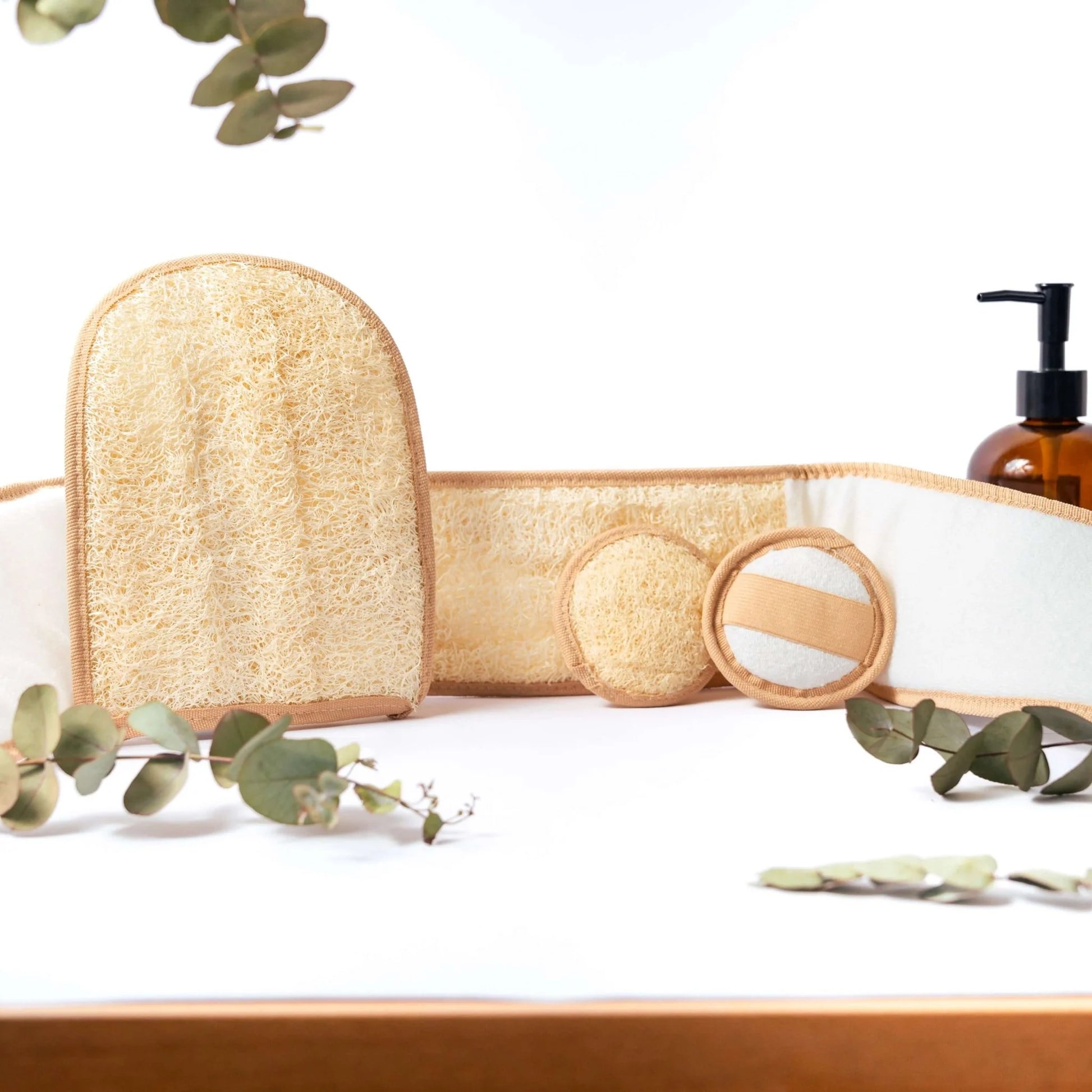
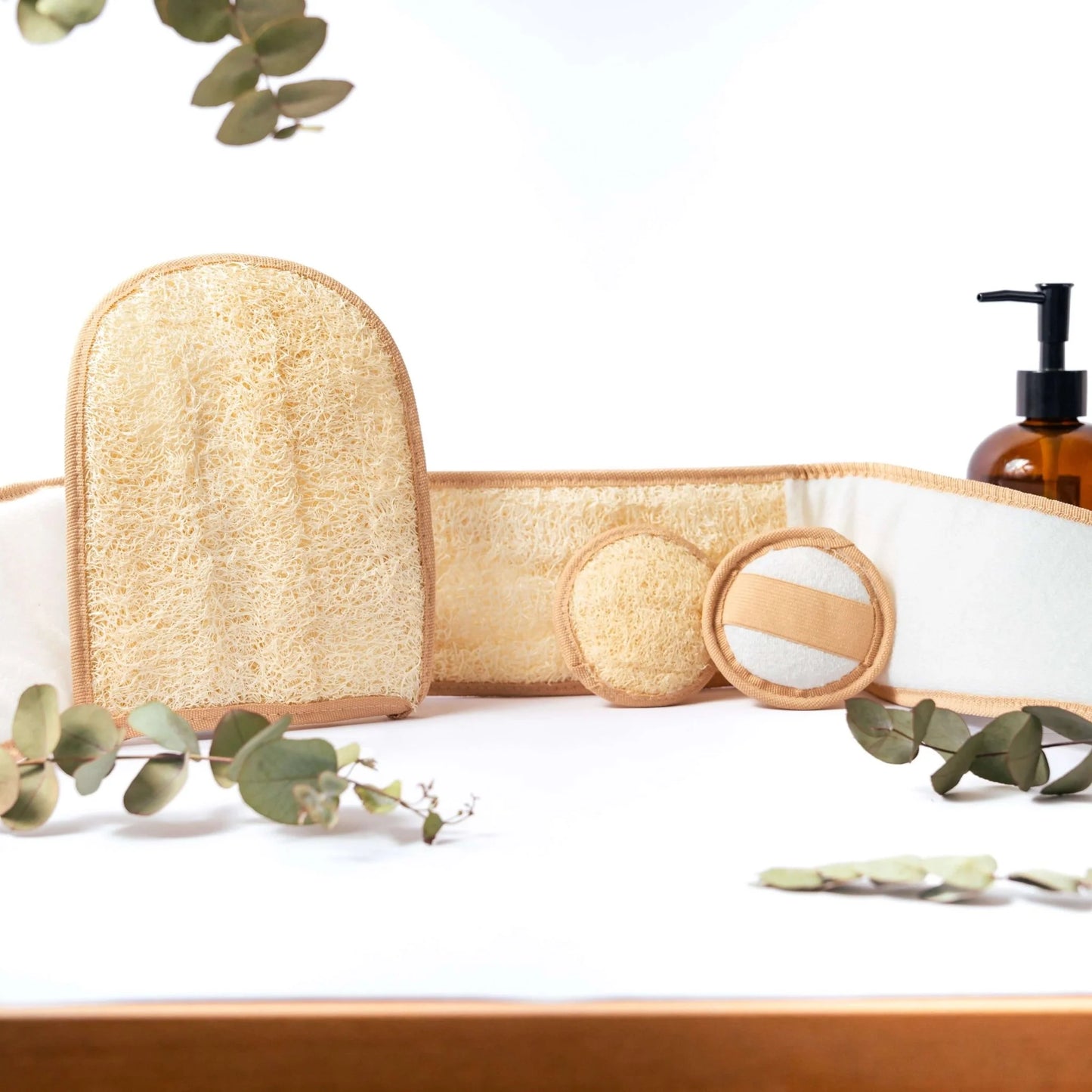
This is where a loofah sponge comes in. Its natural fibre structure reaches the spots your hands can't, gently lifts dead skin and brings fresh circulation back to the area. With a thoughtful routine, bacne becomes much more manageable in most cases.
How a luffa sponge works against bacne
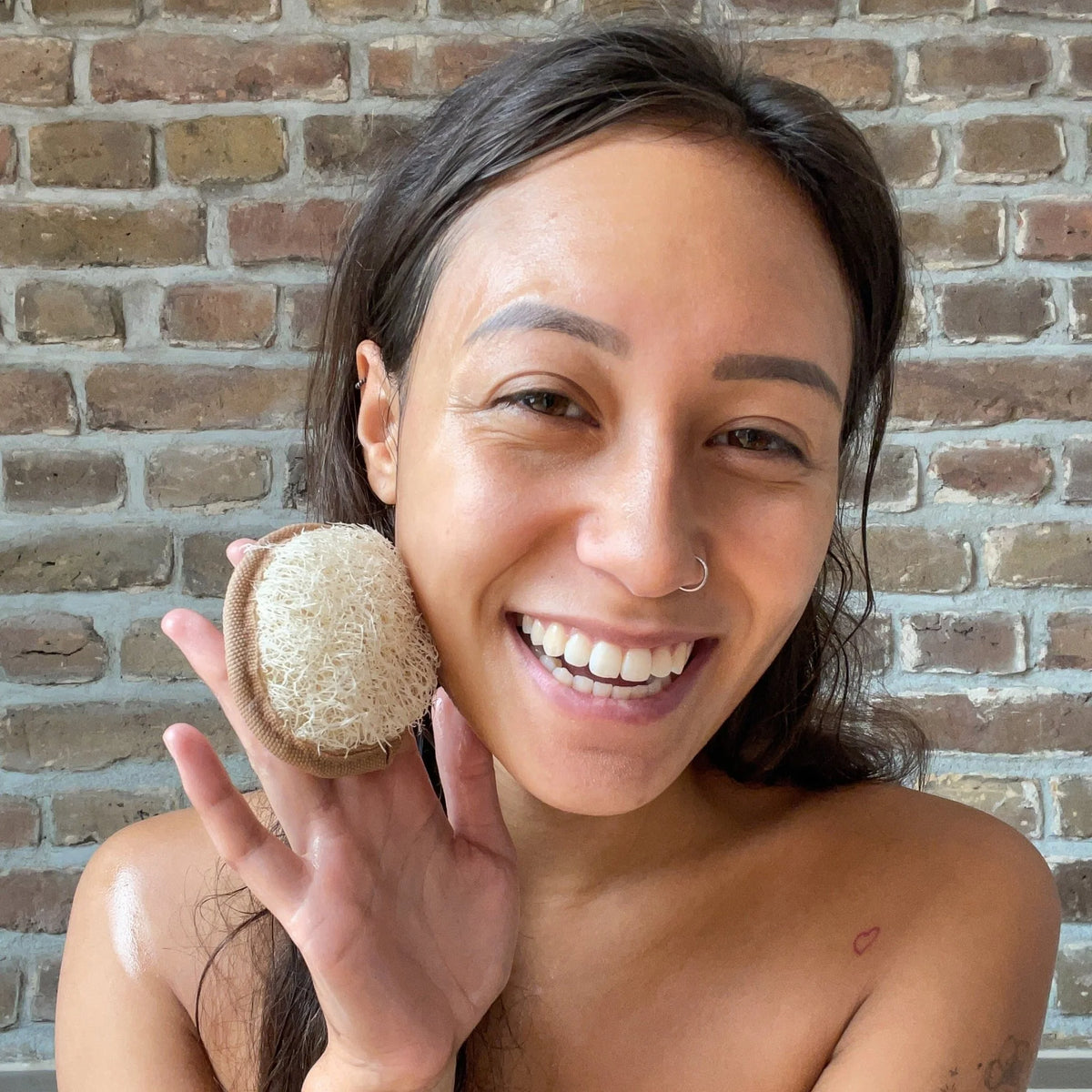
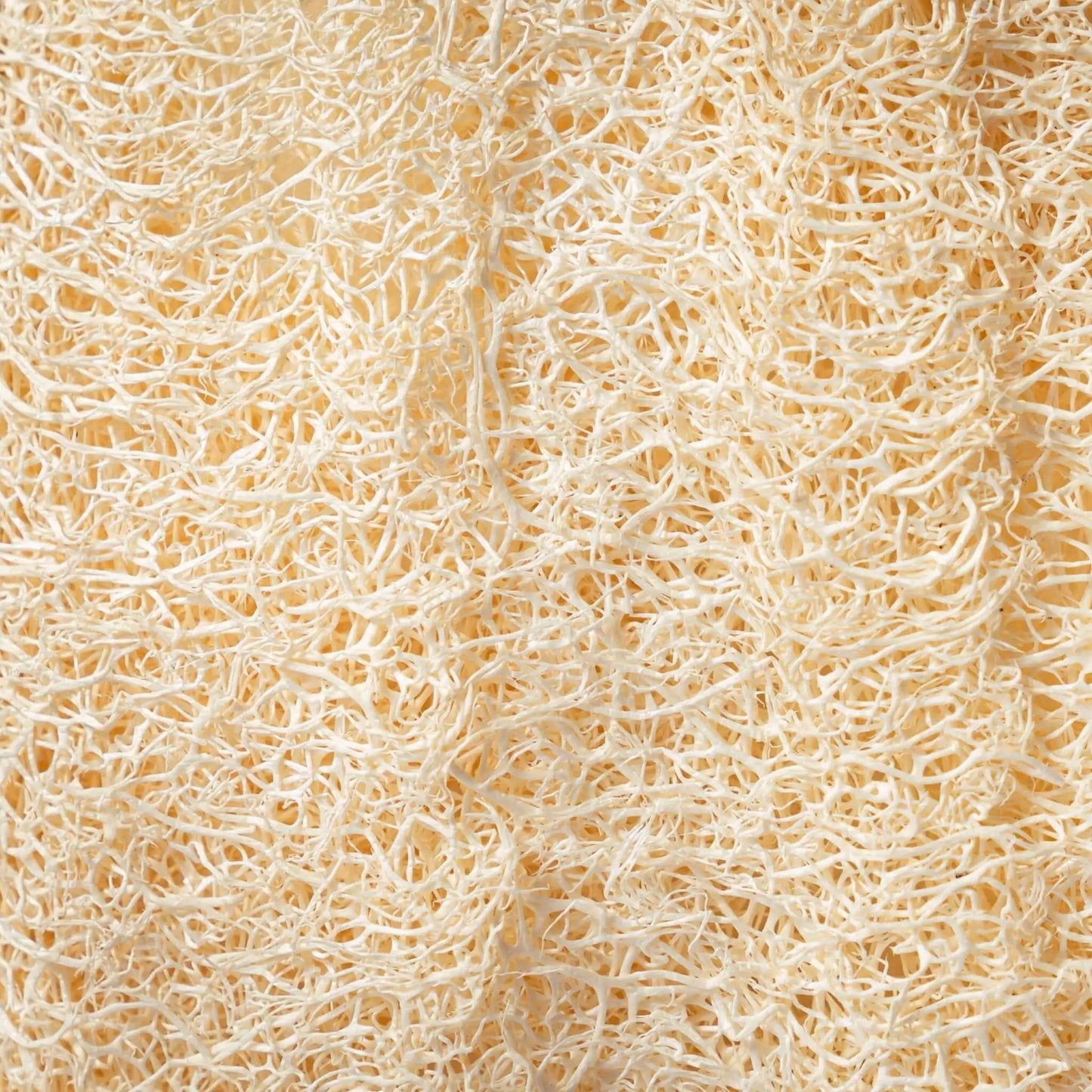
A loofah sponge is made from the dried inner fibres of the luffa plant — a tropical gourd. The fibres are firm but elastic, which makes them especially effective on clogged back pores:
- Mechanical exfoliation: The fibres remove dead skin cells that block pores. Sebum can flow freely again.
- Deep pore cleaning: Combined with a mild wash, sweat, sunscreen and product residue are reliably removed.
- Better circulation: The massage effect boosts skin metabolism. Inflammation calms down faster.
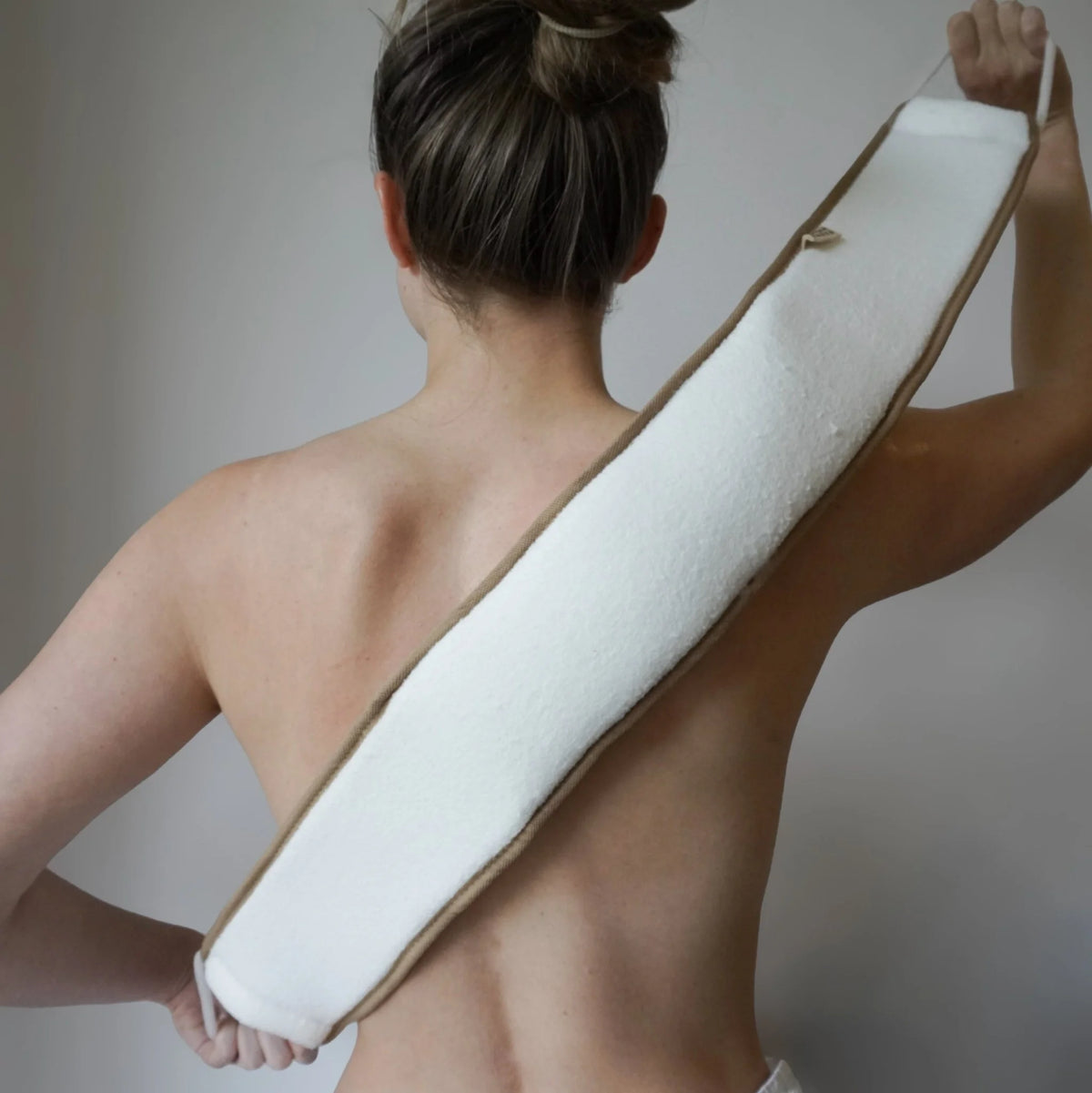
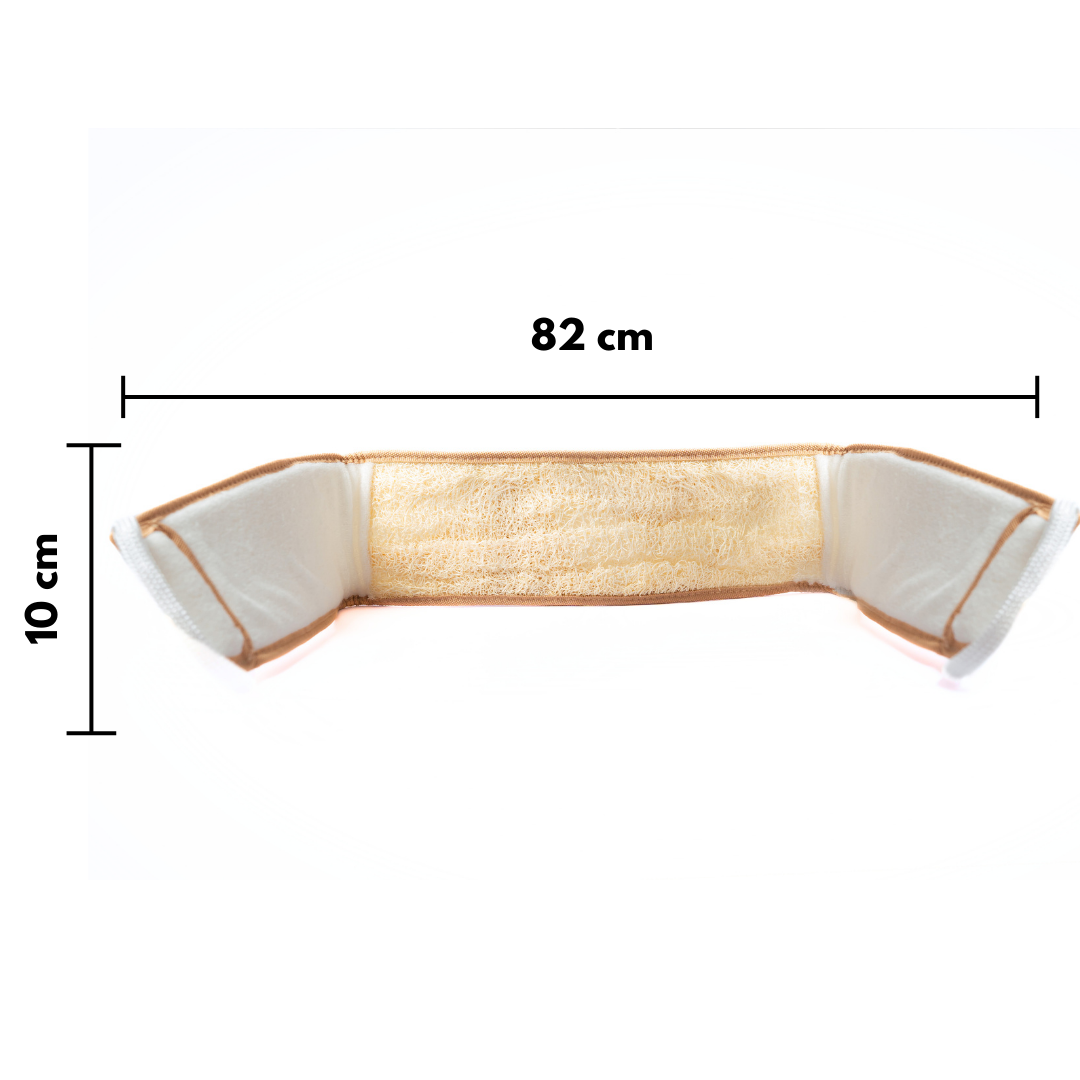
- Reach: With a long luffa back belt or back sponge, you can finally cover the area between the shoulder blades — the most common bacne hotspot.
A note of caution: don't exfoliate over actively inflamed, painful or pus-filled pimples. Friction on open skin can spread bacteria and make things worse. Wait for the acute phase to settle, then start using the loofah as prevention.
The bacne routine: Step by step
A consistent routine matters more than any expensive product. Here's a solid flow:
- Warm shower: 2 to 3 minutes of warm water open the pores and soften dead skin.
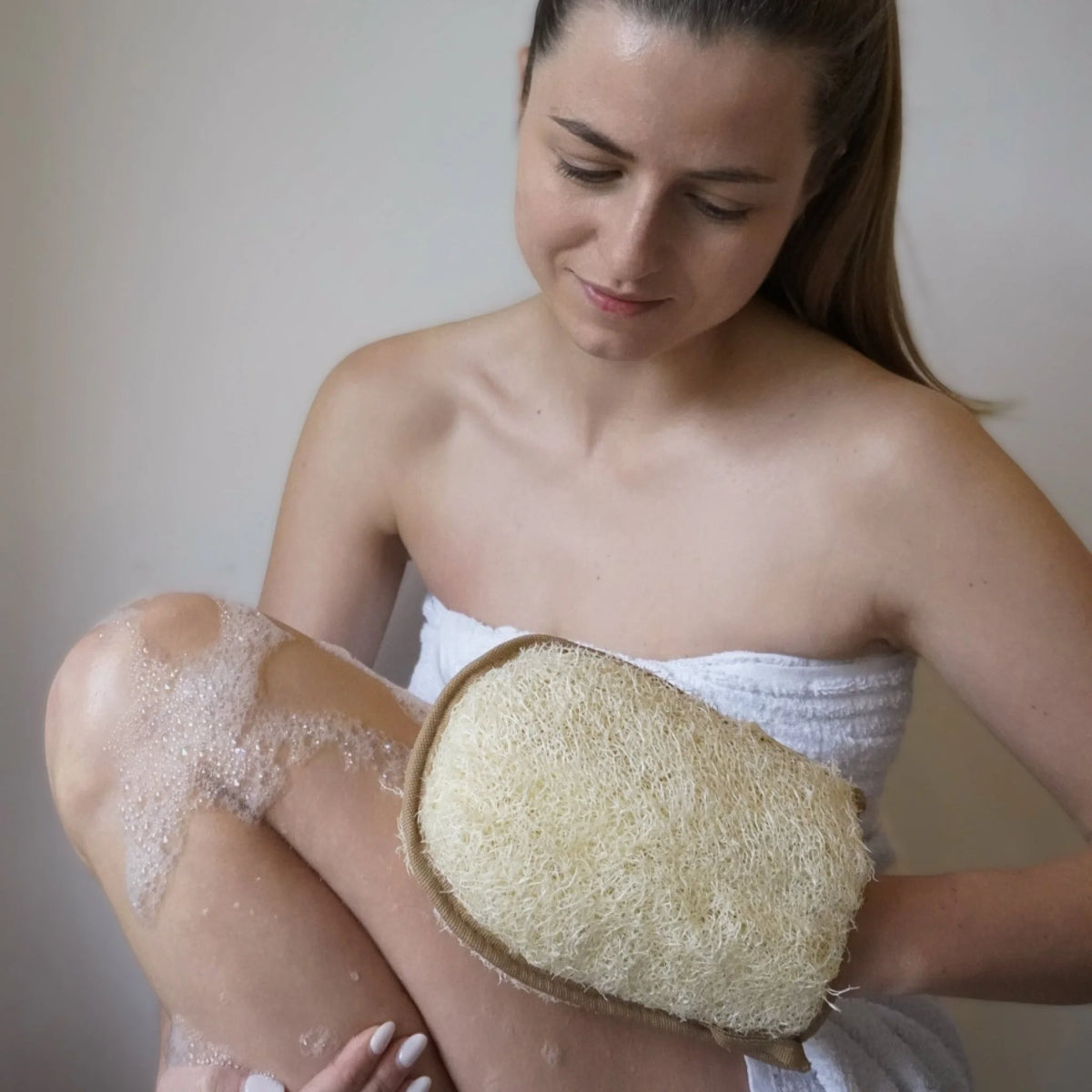
- Wet the loofah: Soak the sponge until it's soft and flexible.
- Apply a mild cleanser: Ideally pH-balanced, free from harsh sulfates. Add a small amount to the sponge.
- Work the back in sections: Use a back loofah or long luffa belt and move from top to bottom in circular motions. Shoulders, shoulder blades, lower back.
- Mind the pressure: Gentle enough not to hurt — firm enough that the skin turns slightly pink.
- Rinse thoroughly: No soap residue should be left behind, it clogs pores again.
- Pat dry, don't rub: Use a clean towel — ideally a fresh one daily.
- Light follow-up care: A non-comedogenic, oil-free lotion or a light serum with niacinamide or salicylic acid supports calmer skin.
Recommended frequency: 2 to 3 times per week. Daily mechanical exfoliation irritates the skin barrier and can actually worsen bacne — less is more.
Realistic expectations: What happens after 4, 8 and 12 weeks
- After 2–3 weeks: Fewer blackheads, smoother skin texture, faster-healing pimples.
- After 6–8 weeks: A visibly more even complexion. New breakouts appear less often.
- After 10–12 weeks: With a consistent routine, the skin stays largely clear. Acne marks may slowly start to fade.
Important: severe, painful or cystic acne needs more than exfoliation alone. If you don't see improvement after 8 to 12 weeks, or if breakouts cover large areas and feel inflamed, talk to a dermatologist. Loofah peeling is a great baseline routine — not a replacement for medical care.
Everyday tips against back breakouts
The routine works best when your daily habits help out. These small tweaks often make the difference:
- Change sweaty clothes quickly — especially after sport, in summer or after long commutes
- Loose, breathable cotton or linen instead of synthetic fabrics
- Tie hair up in the shower so conditioner residue doesn't run down your back
- Wash sheets and pillowcases regularly — sweat, pollen and skin cells build up there
- Choose non-comedogenic sunscreen — many classic creams clog back pores
- Drink enough water — well-hydrated skin produces less excess sebum
Who is loofah peeling for?
Most skin types — with a few exceptions. Suitable for:
- normal to oily skin with blackheads or mild breakouts
- stress-related or hormonal bacne
- sweat-related breakouts (sport, summer, manual work)
Talk to a dermatologist or pause the routine if you have:
- actively inflamed, painful or cystic acne
- open wounds, sunburn or fresh tattoos
- skin conditions like psoriasis or eczema on the back
- treatment with strong acne medication (e.g. isotretinoin) — skin is extra sensitive then
Caring for your loofah back sponge
A loofah that meets bacne-prone skin every couple of days has to stay extra clean. Otherwise it spreads bacteria instead of removing them:
- rinse thoroughly and wring out after every use
- dry it completely in a well-ventilated spot — never leave it wet in the shower
- once a week, rinse with hot water or briefly soak in vinegar water
- replace it every 4 to 6 weeks — for bacne use, lean towards earlier
A fresh, clean luffa sponge is half the win. Treat it like a toothbrush: a tool for clean skin that has to stay clean itself.
FAQ — the most common questions about loofah and bacne
How often should I exfoliate with a loofah if I have bacne? 2 to 3 times per week is enough. Daily exfoliation irritates the skin barrier and can make pimples worse.
Does loofah help with blackheads too? Yes, especially well. Blackheads come from clogged pores — exactly what gentle mechanical exfoliation lifts away.
Can I run the loofah over inflamed pimples? No. Skip actively inflamed or pus-filled spots. Friction spreads bacteria and slows healing. Exfoliate around them and wait until they settle.
When will I see results? Skin usually feels smoother after 1 or 2 sessions. Visibly fewer pimples after 3 to 4 weeks — as long as the routine stays consistent.
Bacne: dry brushing or loofah, what's better? Dry brushes are often firmer and can irritate active pimples. A wet loofah is gentler and a better choice if your skin is prone to breakouts.
Bottom line: Gentle, natural, effective
Back acne is not a life sentence. With a manageable routine — loofah peeling 2 to 3 times per week, mild care, fresh clothes — bacne usually improves significantly. The luffa sponge isn't a miracle product, but it's often the missing tool between "nothing works" and "finally clear back skin."
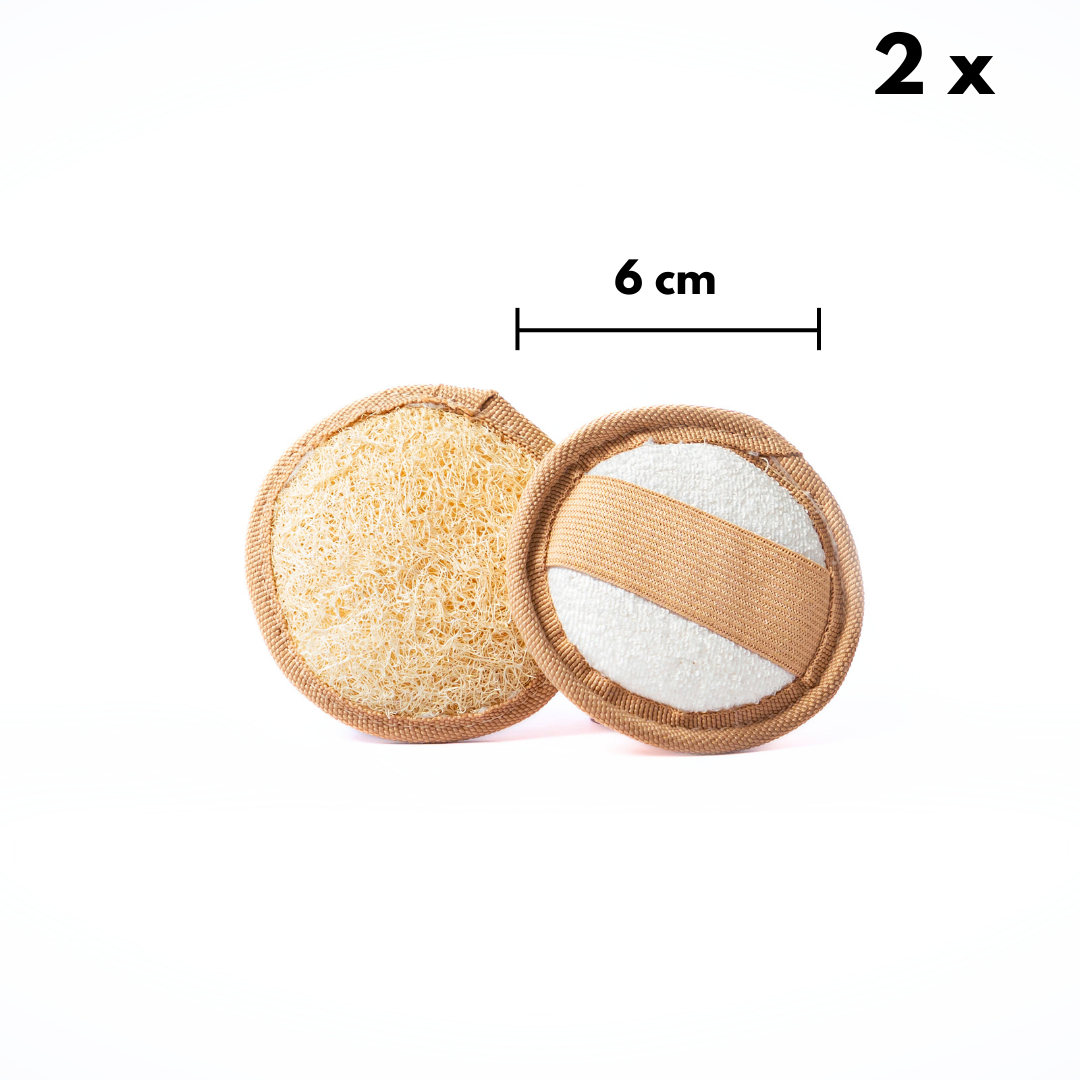
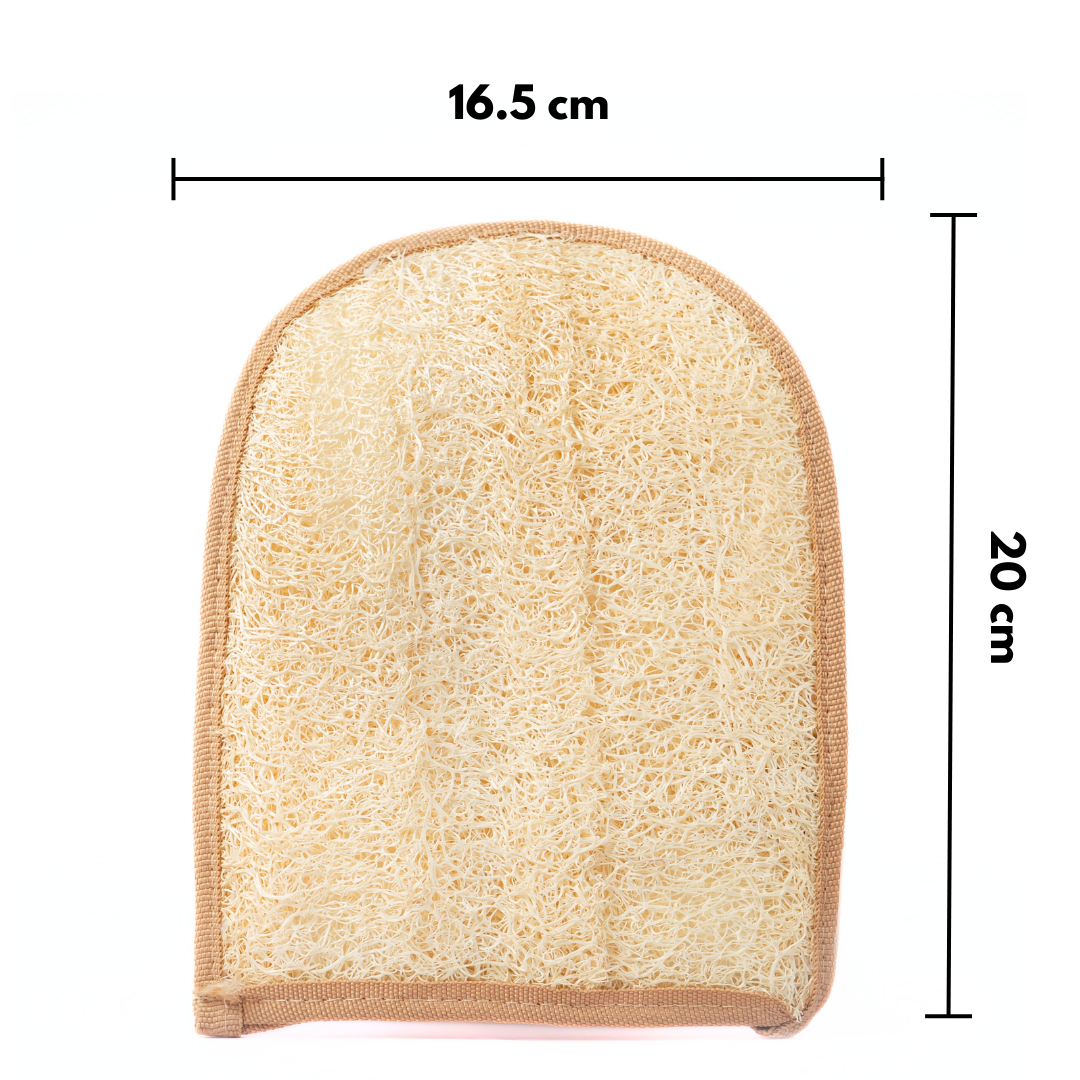
👉 Discover our loofah back sponges & belts and start your bacne routine — natural, plastic-free, sustainable.