
Loofah for Calluses: How to Care for Your Feet Gently and Sustainably
Share
Why Calluses Form — and Why They're Not Your Enemy
Calluses are your skin's natural protective response to pressure and friction. On the feet, they typically form on heels, balls, and toes — wherever walking, standing, or tight shoes put the most stress. Calluses themselves aren't harmful; on the contrary, they protect the more sensitive layers of skin underneath.
They only become a problem when they get too thick, crack, or feel uncomfortable. That's when many people reach for callus rasps, electric files, or harsh creams — and often overdo it. The result: the skin responds by producing even more callus. A classic vicious cycle.
This is where the loofah comes in: it removes calluses gently, consistently, and without overloading the skin. Instead of radically scraping everything off once a month, you care for your feet continuously — and calluses stay in a healthy balance long-term.
How a Loofah Helps with Calluses — Gentle, Not Radical
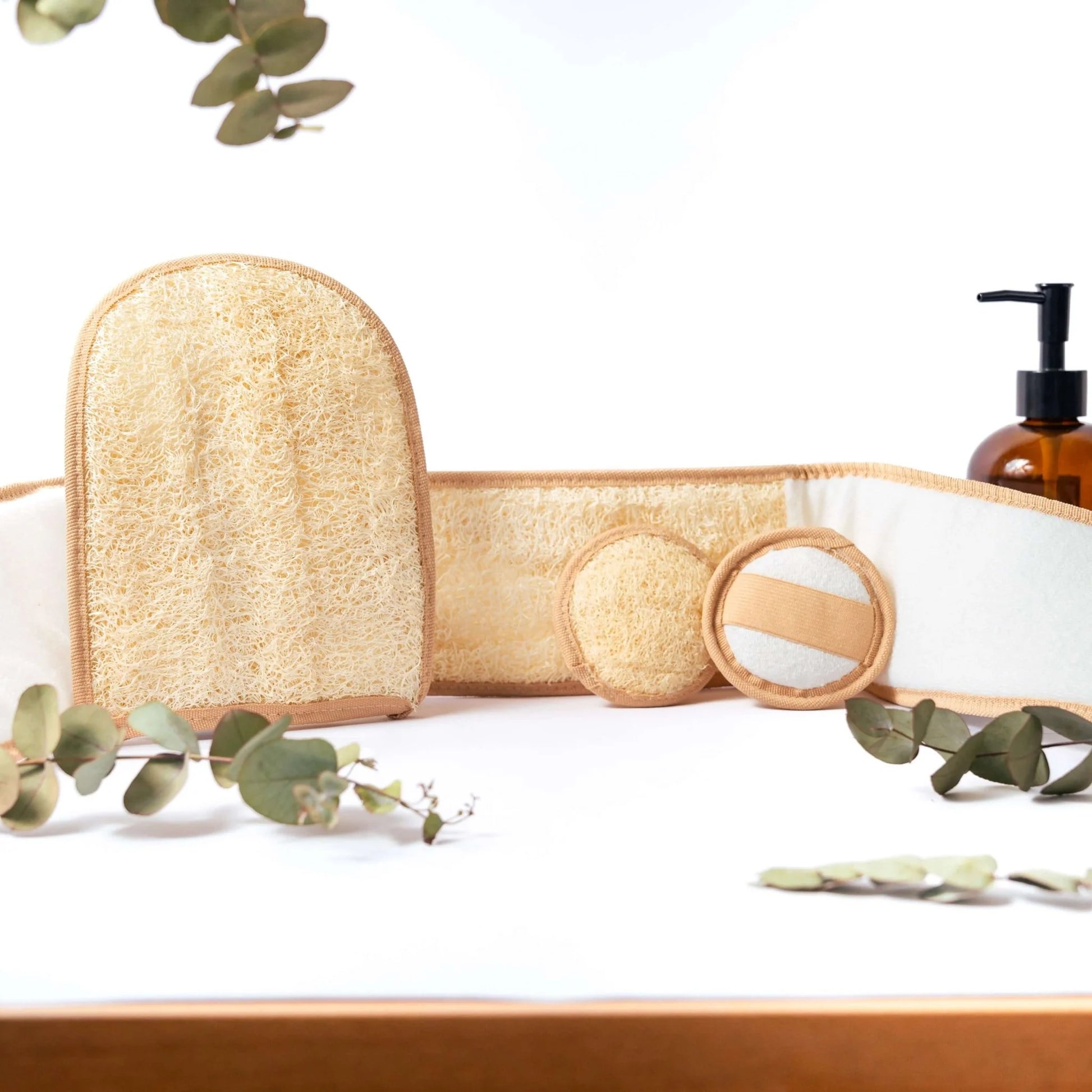
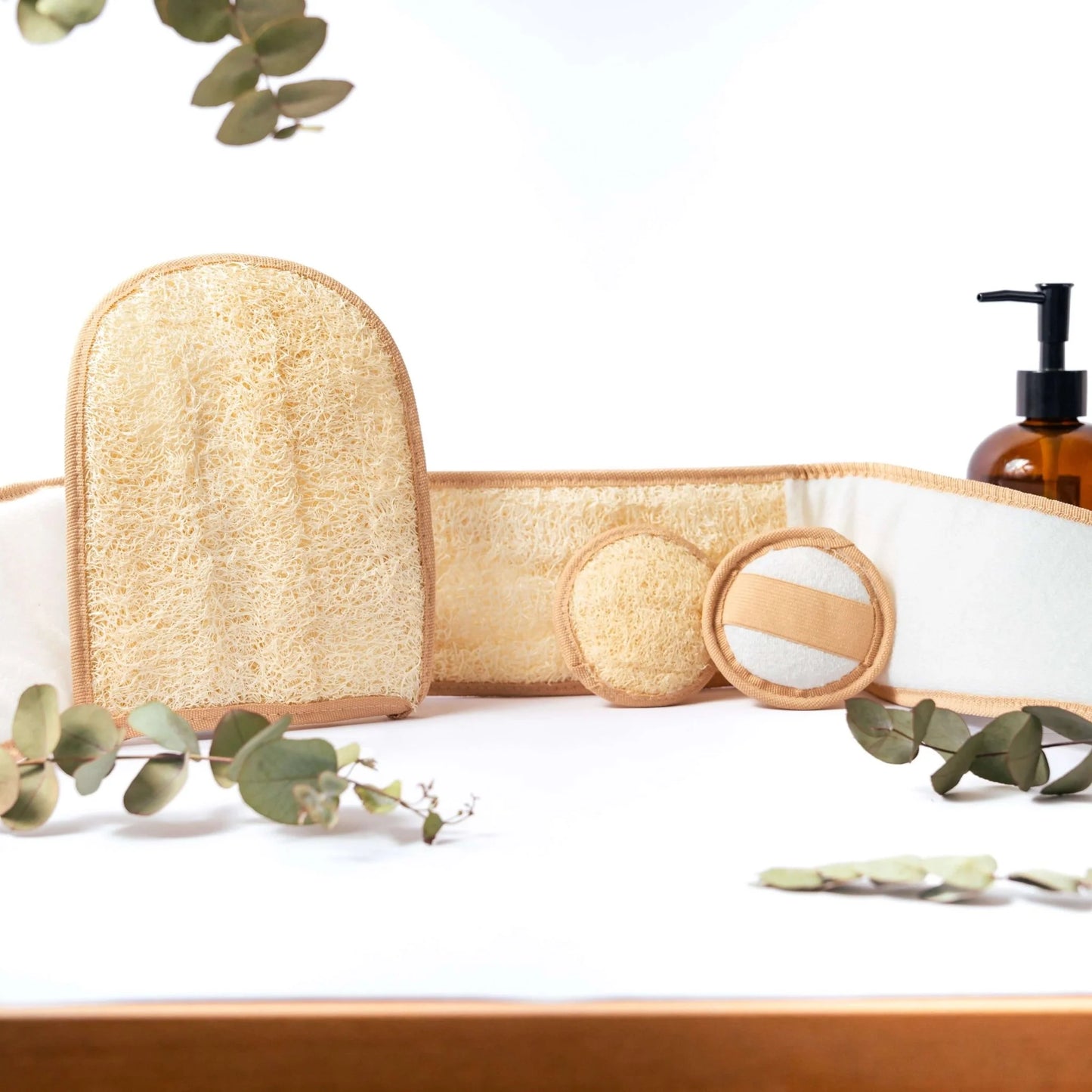
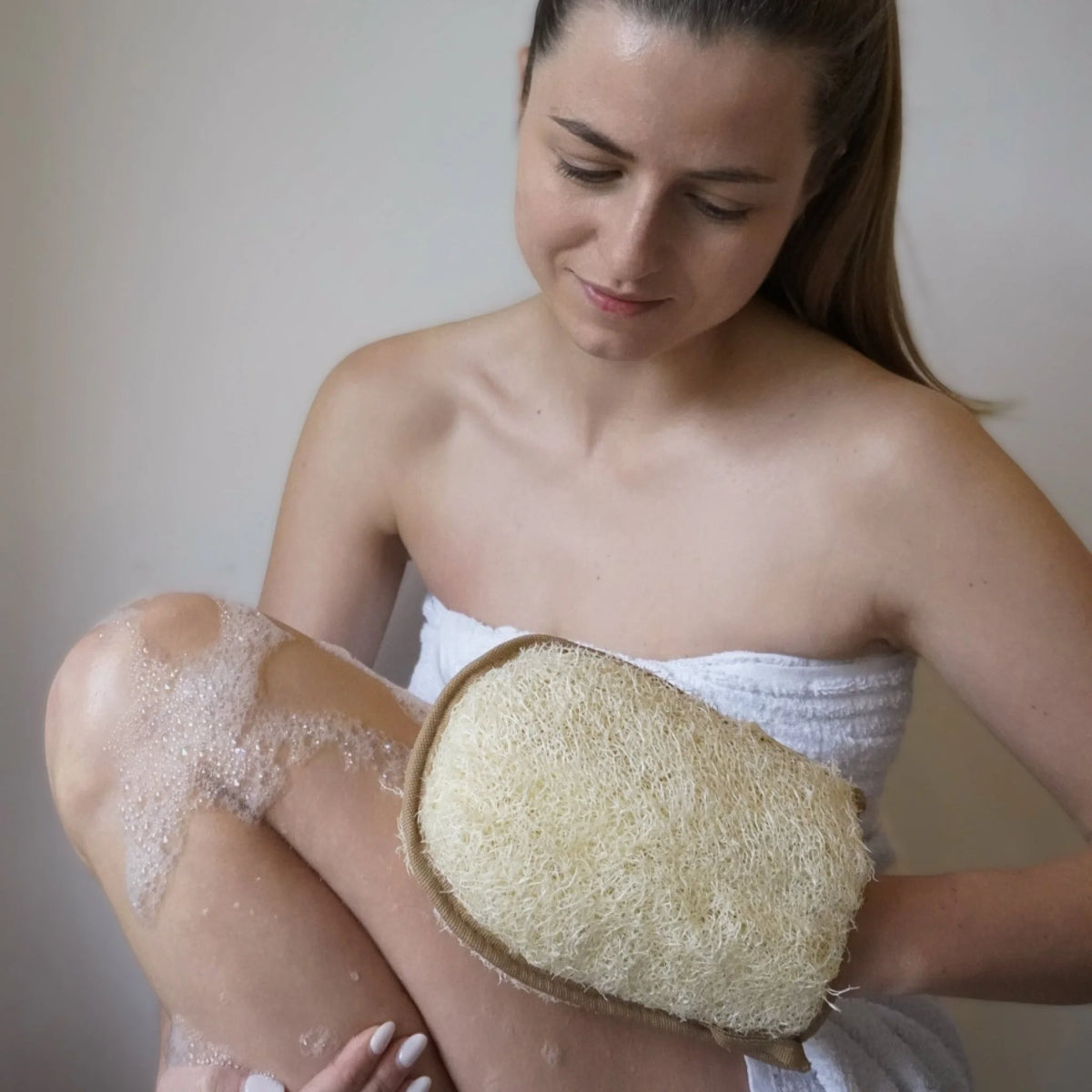
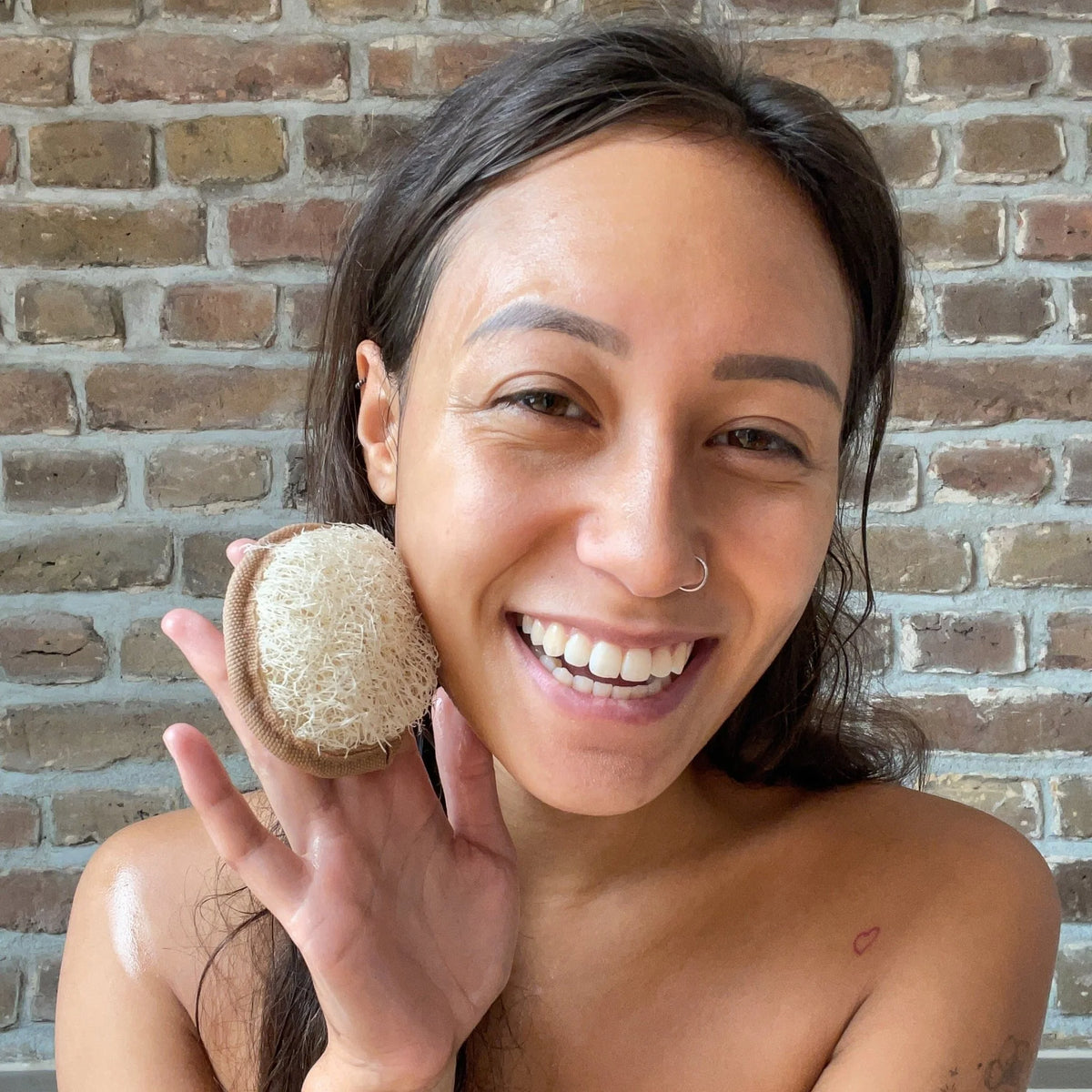
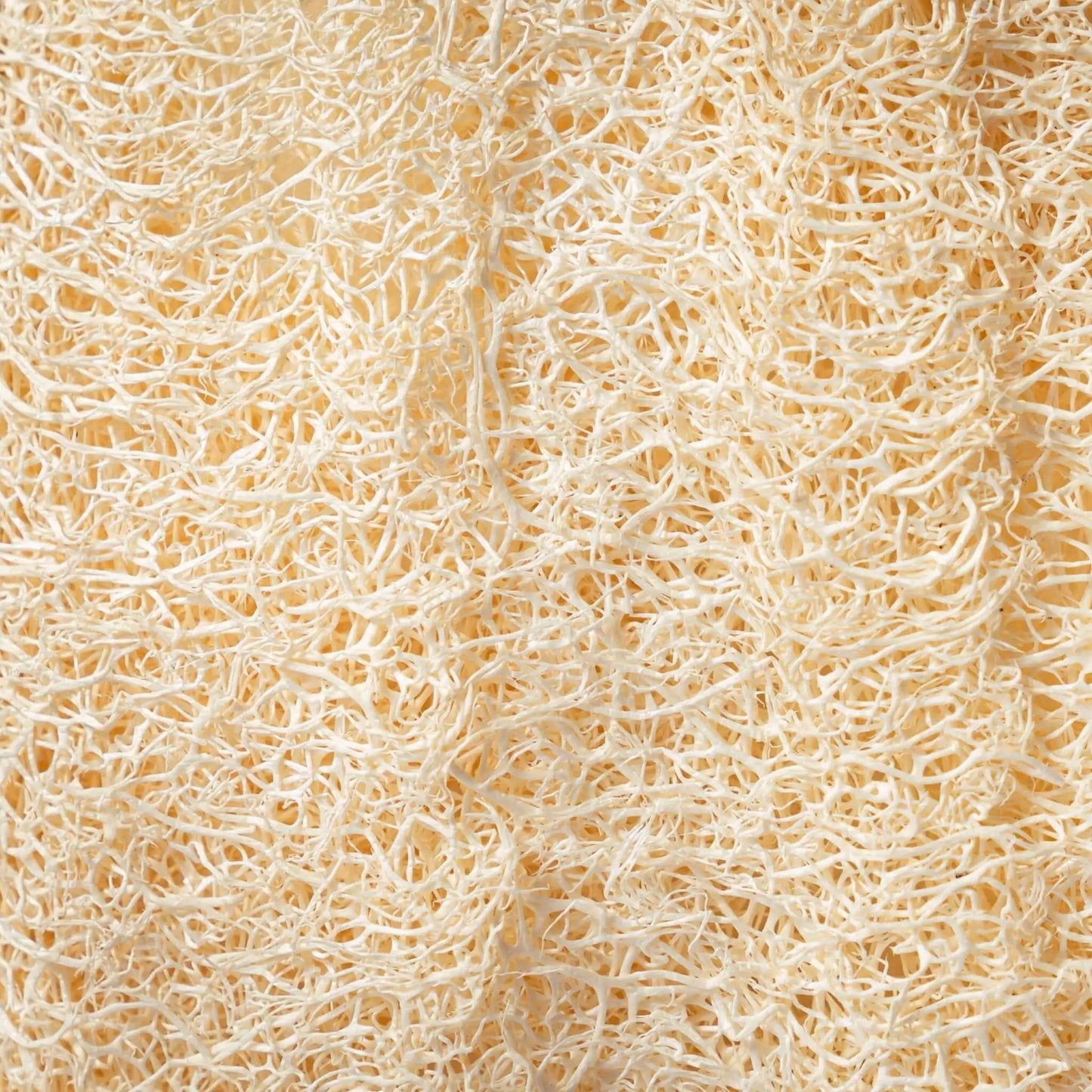
A loofah is made from the dried fibres of the luffa cucumber — a natural plant fibre with a slightly rough but never sharp structure. This special texture makes it ideal for foot care:
- Mechanical exfoliation: The fibres lift away dead skin cells layer by layer, without damaging the healthy skin underneath.
- Boosting circulation: The gentle massage stimulates microcirculation — supporting the skin's natural regeneration.
- Regular use instead of shock treatment: Unlike a rasp, you're not stripping off several millimetres in one go; you're caring for the skin continuously. This signals to your skin: everything is fine, no need to overproduce.
- Priming for skincare products: After exfoliation, feet absorb creams, oils, and foot butter much more effectively.
A loofah isn't a quick fix — but it is a sustainable one. People who use it two to three times a week notice the difference within just a few weeks: feet stay soft without ever needing to reach for a rasp.
The Right Technique: How to Use a Loofah on Your Feet
For the loofah to work its magic, technique matters. Here's how to do it right:
- Prepare your feet: Soak your feet in warm water for 5 to 10 minutes — this softens the calluses and makes them easier to treat. Optionally add some salt, bicarbonate of soda, or a few drops of tea tree oil to the water.
- Wet the loofah: Dip the loofah into the water until it becomes soft and pliable.
- Exfoliate with gentle circular motions: Start at the heels and massage in circular movements across the balls, sides, and toes. Work systematically but without heavy pressure.
- Particularly calloused areas: Heels and balls can be treated a little longer — but always gently. Once the skin shows a light pink, that's enough.
- Rinse and moisturise: Rinse feet thoroughly, dry them well (between the toes too!) and apply a rich foot cream or shea butter.
Recommended frequency: 2 to 3 times per week. For very thick calluses, you can exfoliate daily for the first 2 weeks, then reduce to a maintenance frequency.
What Happens After 2, 4, and 8 Weeks
- After 2 weeks: The top layers of callus have been removed and feet feel noticeably smoother. Rough patches are less pronounced.
- After 4 weeks: Calluses are significantly reduced. Cracks and flaky areas heal better because skincare products can now penetrate more deeply.
- After 8 weeks: With regular use, calluses settle at a healthy level. Feet stay soft without needing to resort to aggressive methods.
Important: a loofah does not replace professional podiatric care for severely cracked heels, corns, or diabetic foot syndrome. In those cases, please consult a podiatrist.
Loofah vs. Callus Rasp, Pumice Stone & Electric File
| Method | Advantages | Disadvantages | Best for | |--------|------------|---------------|----------| | Loofah | Gentle, natural, boosts circulation, suitable for regular use | Slower than a rasp, less effective for very thick calluses | Anyone who wants to care for feet sustainably | | Callus rasp | Fast, effective for thick calluses | Risk of injury, often stimulates overproduction | Professionals or very thick calluses | | Pumice stone | Natural, affordable | Often too rough, hard to clean, prone to bacteria | Occasional users | | Electric file | Fast, even results | Noisy, risk of injury, often too aggressive | Time-conscious users with experience |
The loofah sits right in the middle: effective enough for visible results, gentle enough for regular use — and 100% plastic-free and biodegradable.
Who Is Loofah Foot Care Suitable For?
Essentially anyone, regardless of skin type or age. Particularly recommended for:
- normal to mildly calloused skin
- dry feet after summer (sandals, going barefoot)
- regular foot care without chemicals
- sensitive skin that reacts badly to rasps or files
Please use with caution or consult a professional first if you have:
- open wounds, cracks or inflammation on the feet
- diabetic foot syndrome (elevated infection risk)
- circulatory disorders
- warts or fungal infections (risk of spreading through shared use)
Caring for Your Loofah
Hygiene is especially important when using a loofah for foot care. Keep yours clean and long-lasting with these tips:
- After each use, rinse thoroughly under warm water and squeeze out well.
- Let it dry in a well-ventilated spot — don't leave it sitting in a damp shower.
- Every 1 to 2 weeks, rinse with hot water or soak in diluted vinegar (1:3) to reduce bacteria.
- Replace after 6 to 8 weeks at the latest; sooner with daily use.
A clean loofah isn't just more hygienic — it also stays softer and more comfortable to use.
Extra Tips for Permanently Soft Feet
A loofah alone makes a big difference. Combine it with these tips and your feet will stay well-groomed all year round:
- Foot bath with bicarbonate of soda or salt: Softens calluses and makes exfoliation easier.
- Rich foot cream after every session: Shea butter, urea, or coconut oil work particularly well.
- Cotton socks overnight: After moisturising, put on thin socks — this helps active ingredients absorb optimally.
- Wear well-fitting shoes: Shoes that are too tight or too loose promote callus formation through friction.
- Walking barefoot on soft surfaces: Grass, sand, or carpet train foot muscles without stressing the skin.
Frequently Asked Questions (FAQ)
Can a loofah remove very thick calluses? Yes — but it takes longer than a rasp. For very thick calluses, you can exfoliate daily for the first 2 weeks, then reduce to 2 to 3 times per week. For extreme hardening, one professional pedicure session is worthwhile first; the loofah then maintains the result.
Does exfoliating with a loofah hurt? No, if you do it correctly. The skin should show a light pink, but it shouldn't hurt. If it feels uncomfortable, reduce the pressure or soak the loofah longer.
How often do I need to replace the loofah? With regular foot care, every 6 to 8 weeks. If the fibres become brittle or the loofah becomes discoloured, it's time for a new one.
Can I use the same loofah for my body and feet? Better not. Feet are more prone to fungi and bacteria — a separate loofah prevents cross-contamination. Mark it with a different colour or use different sizes.
Does a loofah also help with heel cracks and fissures? Indirectly yes: by removing callus and improving the absorption of moisturising creams, cracks heal faster. For deep, painful fissures, consult a podiatrist first.
Conclusion: Natural Foot Care That Works
A loofah isn't a spectacular solution — but it's one that works long-term. Instead of reaching for a rasp once a month and overloading the skin, you care for your feet regularly, gently, and sustainably. The result: feet that feel soft all the time, without calluses becoming a permanent problem.
Anyone willing to spend a few minutes two to three times a week will notice the difference within weeks — without plastic, chemicals, or aggressive tools.
👉 Discover our natural loofah sponges and start your gentle foot care routine.