
Loofah as a Sponge Alternative: Why the Loofah Works Brilliantly Around the House Too
Share
Small Problem, Big Impact: Why Ordinary Kitchen Sponges Are Problematic
Every year, billions of plastic kitchen sponges end up in households around the world — and shortly after, in the bin. The problem: most conventional sponges are made from polyurethane or polyester, in other words genuine plastic. With every wash, they shed tiny microplastic particles that enter the wastewater cycle and accumulate in the food chain. Anyone trying to live plastic-free will sooner or later look for a meaningful alternative — and increasingly find one in a tried-and-tested helper: the loofah.
What many people know only as a shower or exfoliating sponge has been an all-purpose cleaning tool in many parts of the world for centuries. In this article, you'll find out why the loofah shines in your kitchen and home too — and what to keep in mind when using it.
What Exactly Is a Loofah?
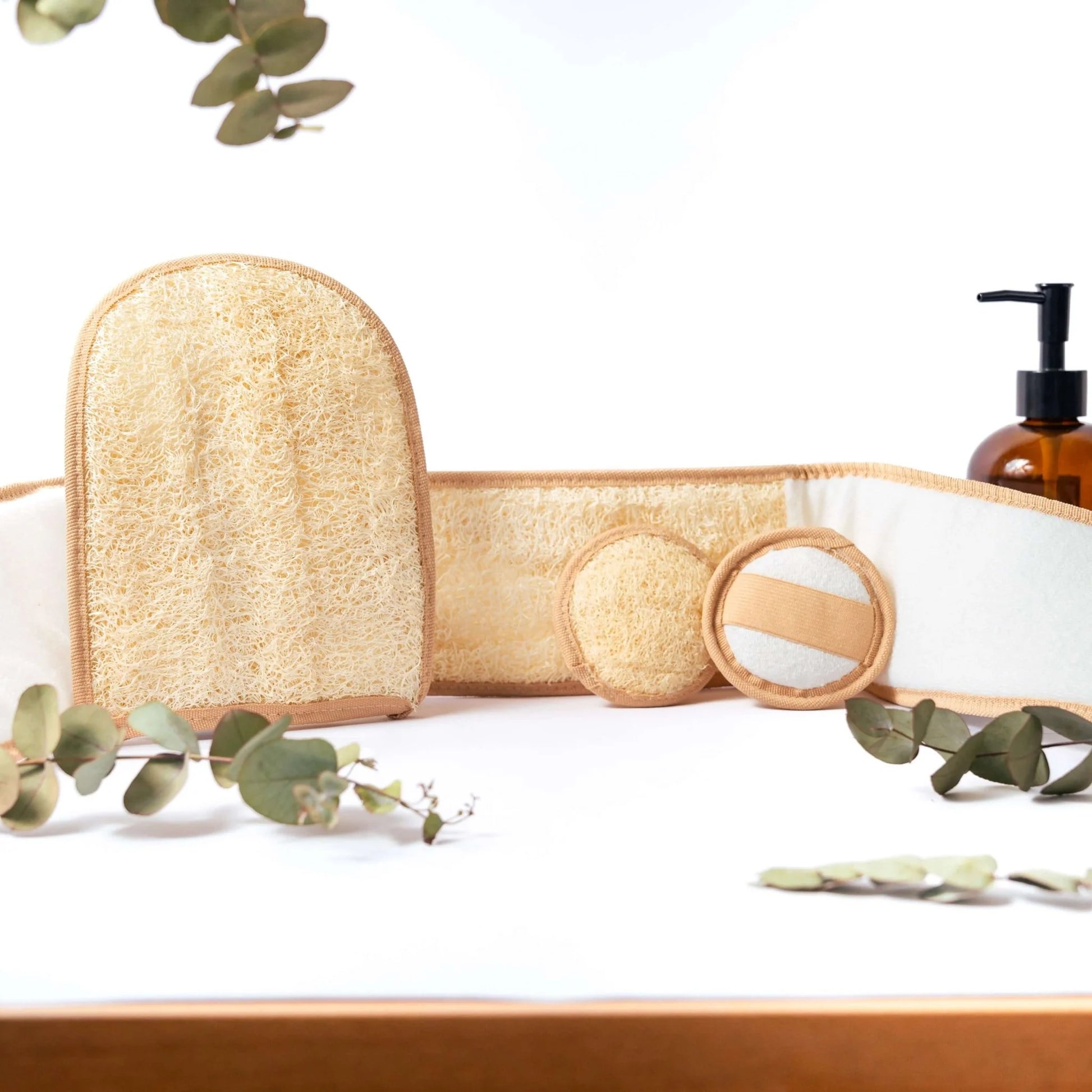
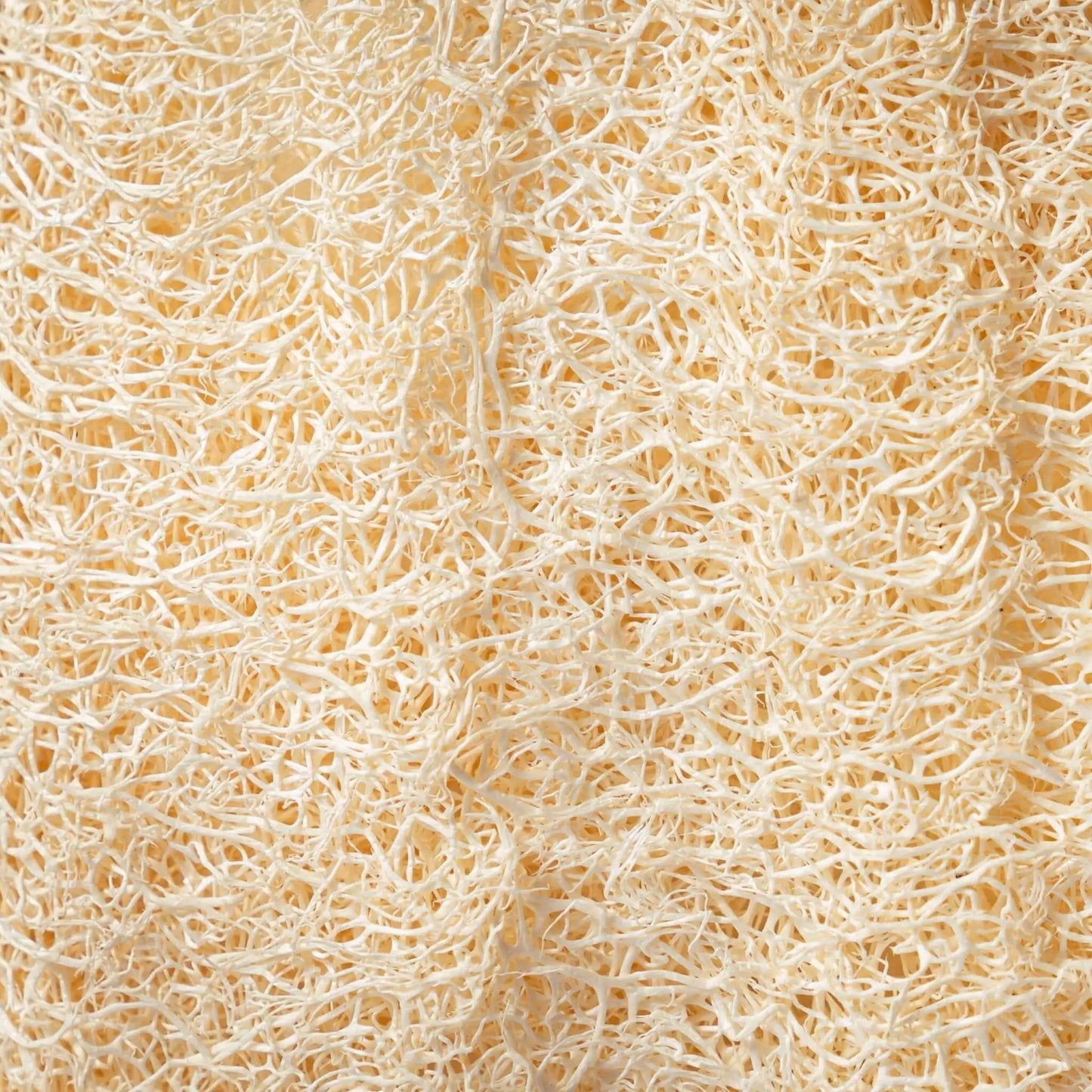
The loofah is not a sea creature but a plant: the fruit of the loofah gourd (Luffa cylindrica or Luffa acutangula). When the fruits are left to ripen and dry out, a firm, fibrous mesh remains — the natural sponge structure we know. This fibre network is completely biodegradable, compostable, and grows without synthetic additives.
Unlike plastic sponges, loofah contains no microplastics, no synthetic fibres, and no plasticisers. And because the plant is relatively undemanding to grow, its ecological footprint is significantly smaller compared to petrochemical sponge products.
Loofah Around the House: The Areas That Benefit Most
Loofah is more versatile than many people think. Here are the most common uses:
🍳 Kitchen: Pots, Pans & Dishes
For most people, the kitchen is the most obvious starting point. A slightly dampened loofah with a little washing-up liquid tackles stubborn food residue on pots, pans, and baking dishes — without scratching coatings, as long as you use even, gentle pressure.
Tip: For coated pans (non-stick, ceramic), opt for a softer loofah type or a fine loofah slice. For stainless steel and cast iron, a firmer whole loofah is perfectly fine.
🧴 Bathroom & Sanitary Areas
Sinks, bathtubs, and tiles can be scrubbed beautifully with a loofah and a mild cleaner. The fibre structure leaves no scratches on ceramic yet works more effectively than a soft cloth. Limescale on taps dissolves far more easily when combined with a little diluted white vinegar.
🪴 Cleaning Fruit & Vegetables
In many Asian and Mediterranean households, loofah is traditionally used to clean root vegetables. Potatoes, carrots, and beetroot can be gently scrubbed under running water with a small piece of loofah — no chemicals, no plastic brush.
🧹 General Surfaces
Built-up dirt on garden furniture, barbecue grates, or window frames is manageable with a dampened loofah and some household soap. Canvas or rubber shoes can be cleaned with it too.
Loofah as a Sponge: Key Advantages at a Glance
| Property | Loofah | Plastic Kitchen Sponge | |---|---|---| | Material | 100 % plant fibre | Polyurethane/polyester | | Microplastics | No | Yes | | Compostable | Yes | No | | Lifespan | 4–8 weeks | 2–4 weeks | | Can go mouldy | Yes, if stored wet | Yes, likewise | | Surface scratching | Very rare (depends on type) | Rare | | Price | Comparable | Cheaper upfront |
Cleanliness & Hygiene: What You Should Know
A common argument against natural sponges is hygiene. A loofah can harbour bacteria — just like its plastic counterpart. The key difference: you can clean it more effectively, and with a clearer conscience.
How to keep your household loofah hygienic:
- Rinse thoroughly under hot water after every use and wring out well.
- Let it dry hanging or standing upright — never leave it in a damp corner.
- Disinfect 1–2 times a week: place the loofah in a bowl of boiling water for 2–3 minutes, or in a diluted white vinegar solution (1:3).
- Replace after 4–6 weeks at the latest — then compost it rather than throwing it in general waste.
Important: Don't use the same loofah for your body and your dishes. Like towels or sponges in general, loofahs should be kept separate by use.
What to Look for When Buying
Not all loofahs are equal. Look out for the following:
- Origin & cultivation: Choose loofahs from controlled cultivation without chemical treatment.
- Bleaching agents: Some suppliers bleach loofah with chlorine to make it look whiter. This is undesirable for both skin and the environment — buy natural, unbleached.
- Packaging: A plastic-free packaged loofah is the consistent choice if you're switching to zero waste.
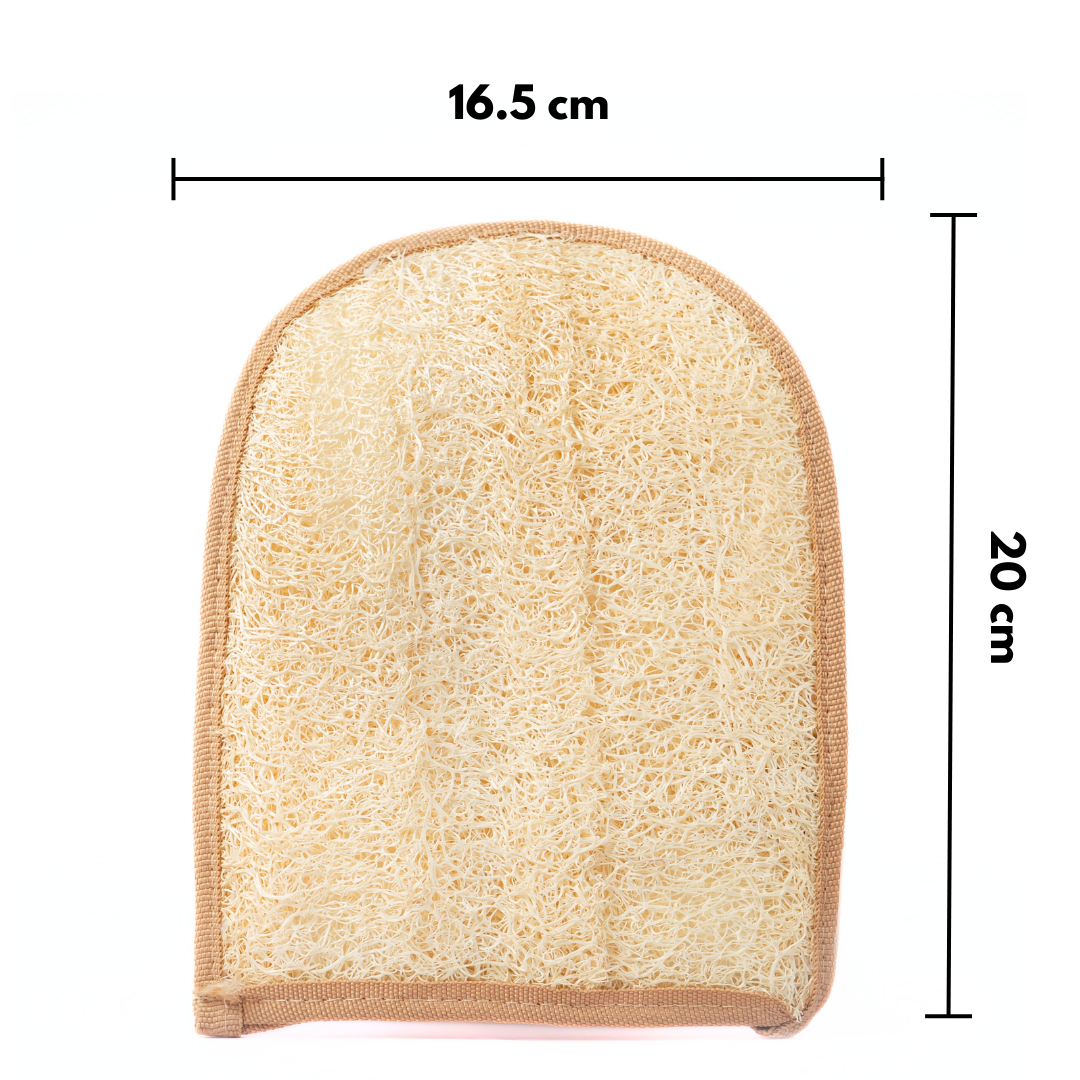
- Size & shape: Flat loofah slices work especially well for pots and dishes. For larger surfaces like bathtubs or grill grates, a half or whole loofah body is more practical.
Conclusion: Loofah in the Home — A True All-Rounder
Once you've tried a loofah in the kitchen, you often wonder why you didn't make the switch sooner. No plastic, no microplastics, compostable — and in many applications just as effective as conventional alternatives. The loofah is far more than a shower companion: it's a small but consistent step towards a plastic-free home.
Give it a try — your next sponge purchase could be a win for the environment too.
👉 Discover our loofah sponges for bath & home — natural, sustainable, and no compromises.
FAQ: Loofah in the Home — Frequently Asked Questions
Can I use a loofah to wash dishes? Yes, a loofah is great for cleaning pots, pans, and dishes. Combine it with a little washing-up liquid and warm water. For delicately coated pans, a softer loofah type or a fine loofah slice is recommended.
How long does a loofah last around the house? With regular use and good care (rinse after every use, let it dry, hot-wash regularly), a household loofah lasts around 4 to 6 weeks. After that, you can compost it.
Can a loofah go mouldy? Like any sponge, a loofah can go mouldy if it stays damp for too long. The key is proper drying after use. Store it hanging or upright — never leave it in a damp corner.
Is loofah really plastic-free? Yes — a natural, untreated loofah is made 100 % from plant fibres and contains no plastic. It is fully compostable. Pay attention to the packaging too: a loofah without plastic wrapping is the most consistent zero-waste choice.
Can I use the same loofah for my body and for cleaning? No — keep loofahs for different purposes strictly separate. The kitchen loofah stays in the kitchen, the body loofah stays in the shower. This is important for hygiene reasons, regardless of the material.