
Loofahs in Venezuela: History, Everyday Use, and Cultural Significance
Share
Loofahs are now appreciated worldwide as natural skincare and household products. However, their use is far from new. In countries like Venezuela, loofahs have been part of everyday life for generations. Rather than being associated with export or modern wellness trends, they were traditionally valued for their practicality and connection to nature.
What Is a Loofah in Venezuela?
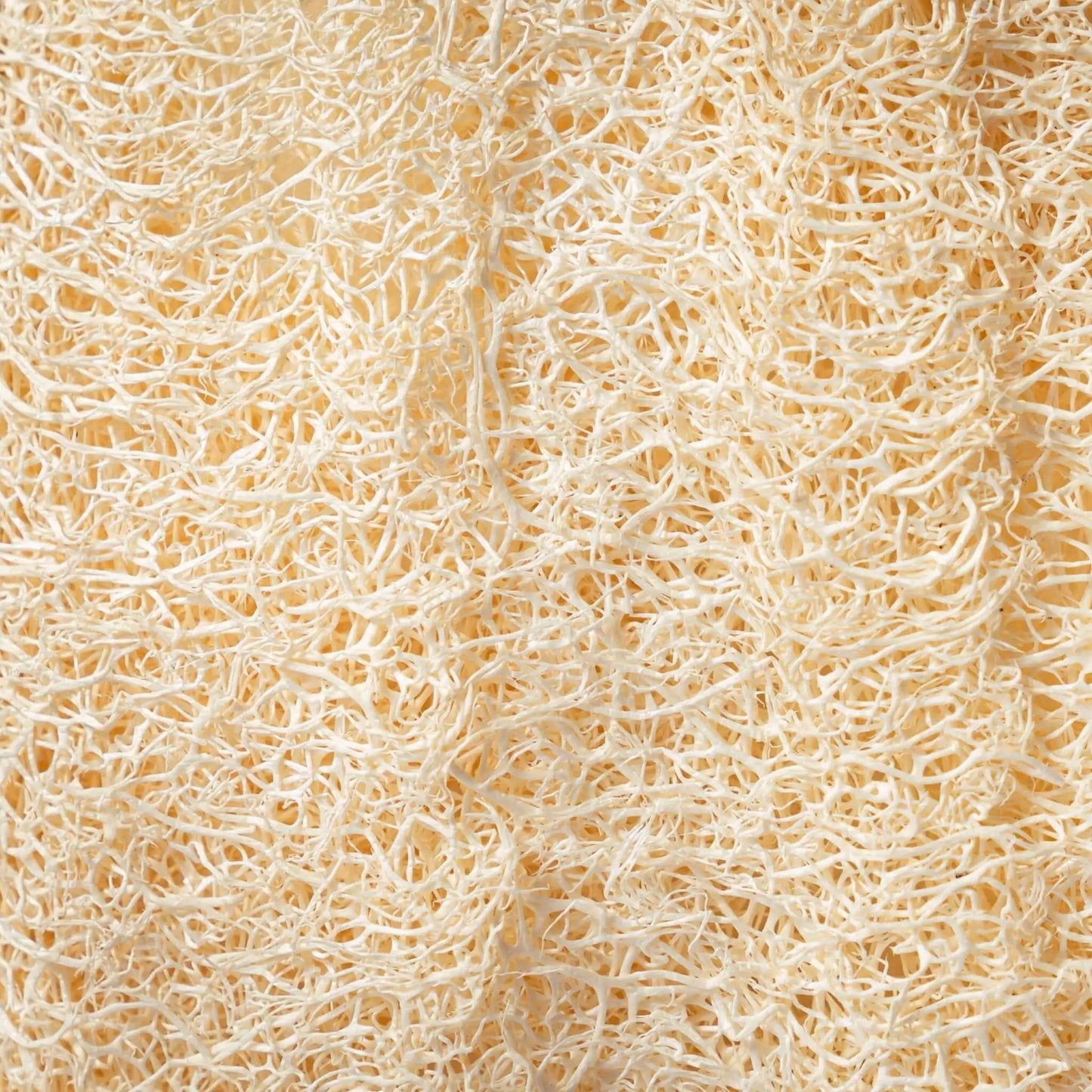
In Venezuela, loofahs are commonly known as “luffa,” “estropajo vegetal,” or “natural sponge.” They all refer to the same plant species (Luffa aegyptiaca or Luffa cylindrica), whose dried fibers are used for multiple purposes.
Historically, loofahs were not considered luxury items. They were a basic household tool, much like soap or a brush.
Historical Use of Luffa in Venezuela
1. Indigenous Roots
Long before colonial times, indigenous communities in the region used the luffa plant in daily life. The dried fibers were commonly used for:
- body cleansing
- washing cooking utensils
- general household cleaning
The plant was easy to grow, durable, and fully usable — a clear example of resource-efficient living.
2. Everyday Life in Rural Areas
Well into the 20th century, synthetic sponges were uncommon in many parts of Venezuela. Especially in rural areas, loofahs were:
- more affordable than imported products
- locally available
- versatile and long-lasting
Many families grew luffa plants themselves or purchased them at local markets.
Are Loofahs Still Used in Venezuela Today?
Yes — although the context has changed.
Modern-Day Use
In urban areas, industrial products are now more widespread. However, loofahs are experiencing a renewed interest due to the growing focus on sustainability and traditional practices.
Today, they are often used:
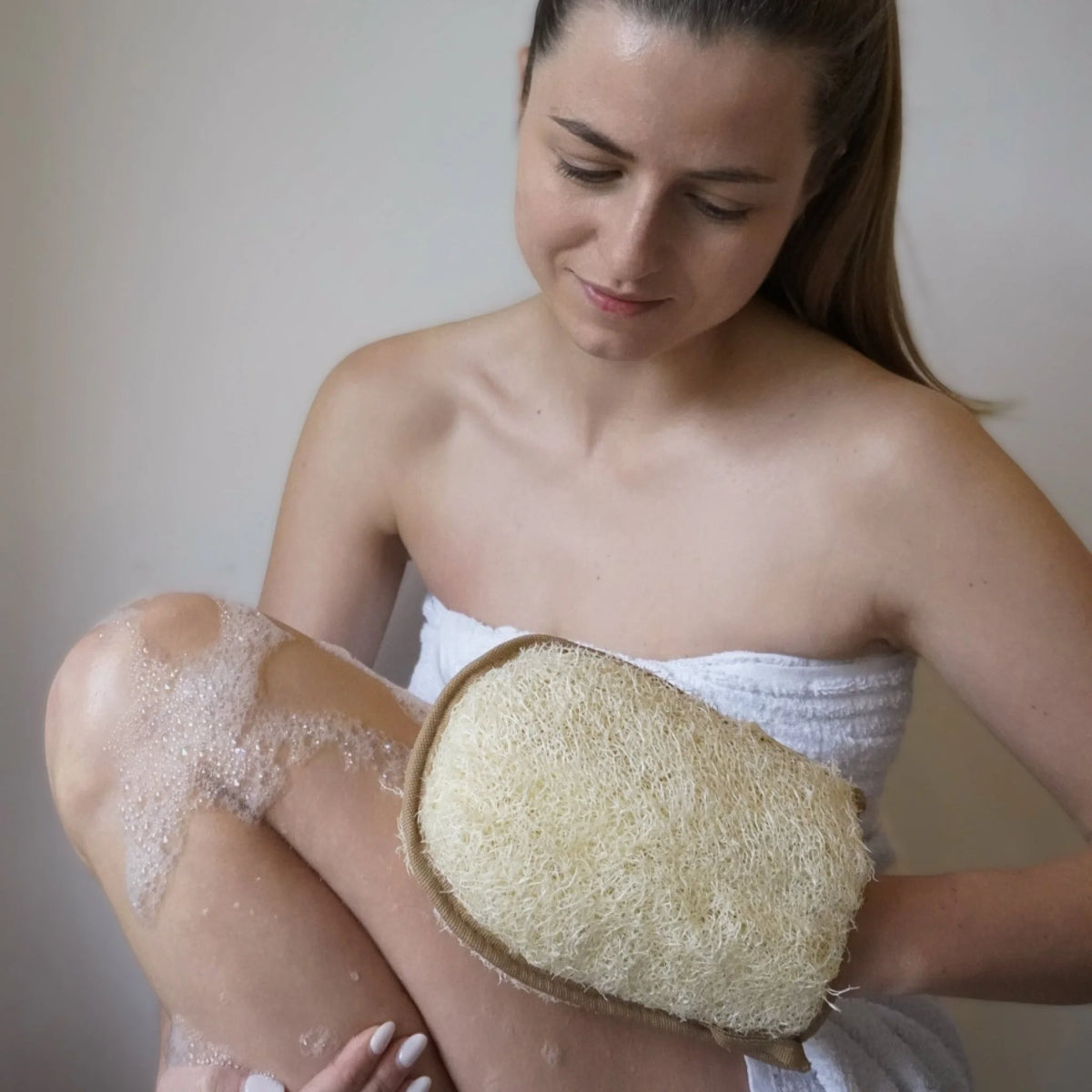
- as natural shower sponges
- in zero-waste households
- as plastic-free cleaning alternatives
This revival is comparable to the return of cloth shopping bags or solid shampoo bars — traditional solutions adapted to modern needs.
Cultural Value Rather Than a Mass Product
In Venezuela, loofahs are not primarily seen as premium self-care items or export goods. Instead, they represent:
- simplicity
- functionality
- a close relationship with nature
They are part of a practical daily culture, not a marketing-driven lifestyle trend. This background is precisely what makes loofahs appealing again today.
Why This History Matters Today
The history of loofah use in Venezuela shows that sustainable body care is not a modern invention, but knowledge passed down through generations. What is now considered a trend was once simply common sense.
Benefits of This Traditional Approach:
- no microplastics
- minimal environmental impact
- clear functionality without additives
Possible Drawbacks:
- shorter lifespan than plastic alternatives
- requires regular replacement
Conclusion: Venezuela as an Example of Lived Sustainability
Although loofahs are now sold globally, Venezuela illustrates how naturally they were integrated into everyday life. Not as lifestyle products, but as simple, effective, natural solutions.
Key Takeaways:
- Loofahs have a long tradition in Venezuela
- They were widely used for body care and household cleaning
- Today, they are being rediscovered through sustainability movements
- Their history highlights the value of natural alternatives
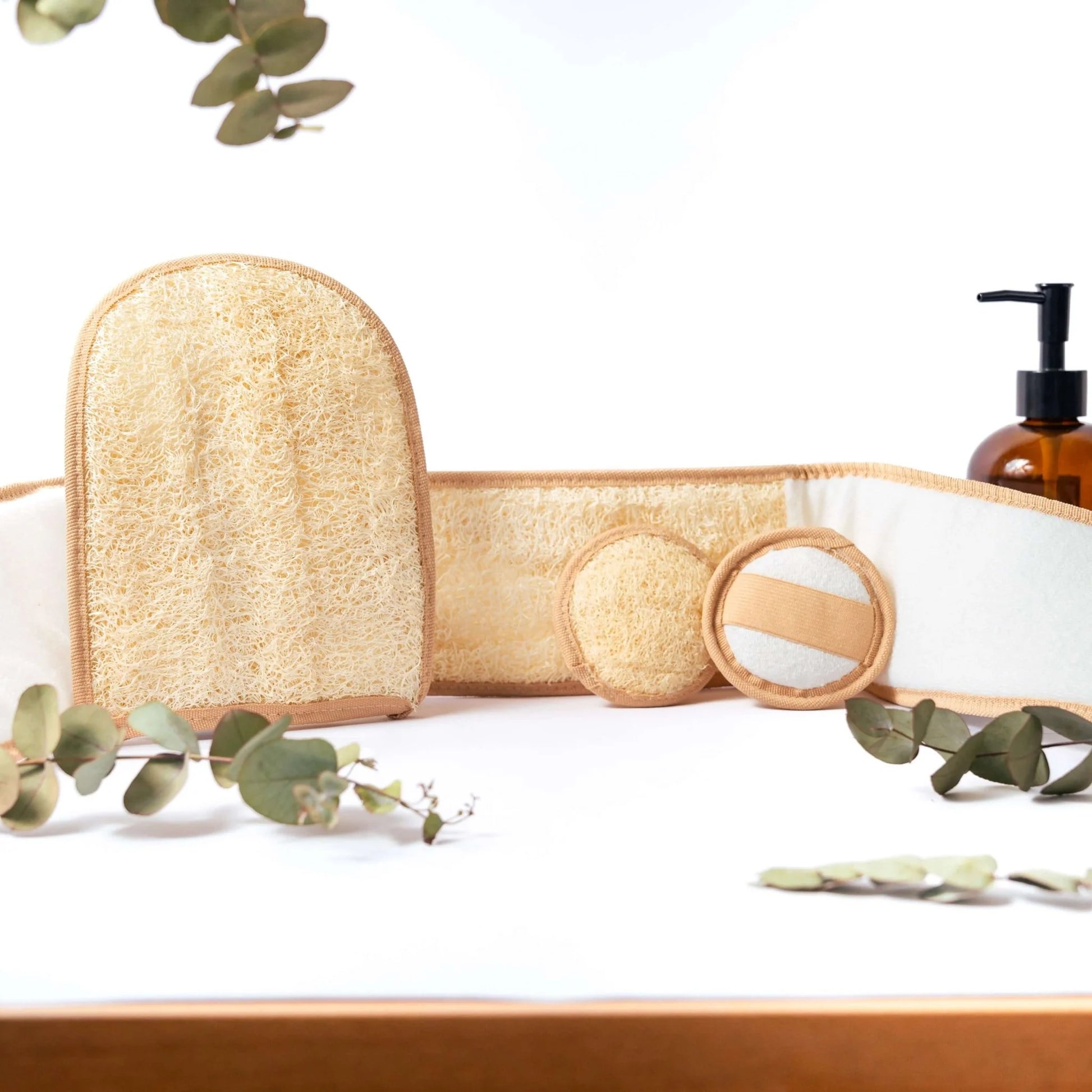
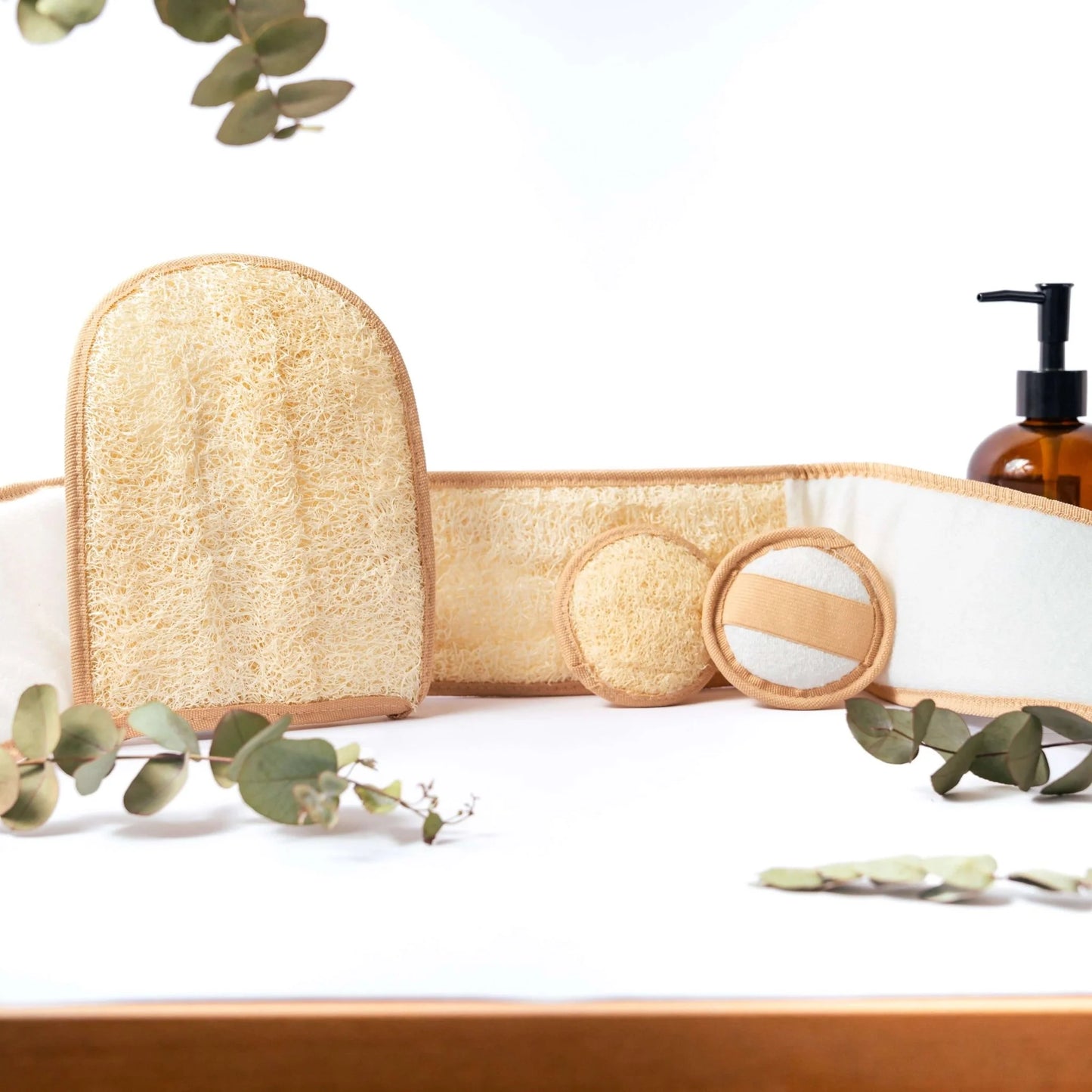
Discover the Loofah Essentials Set
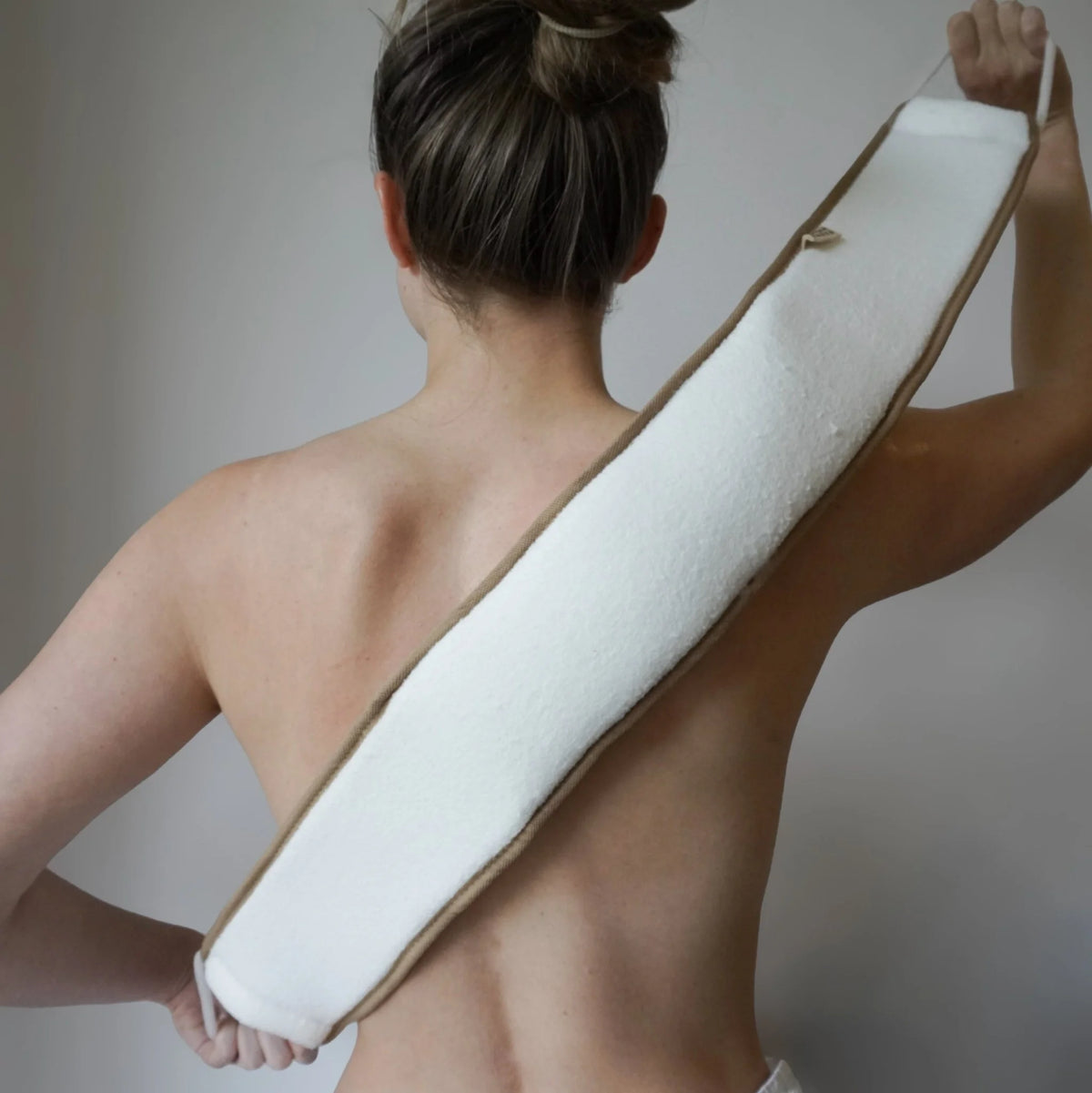
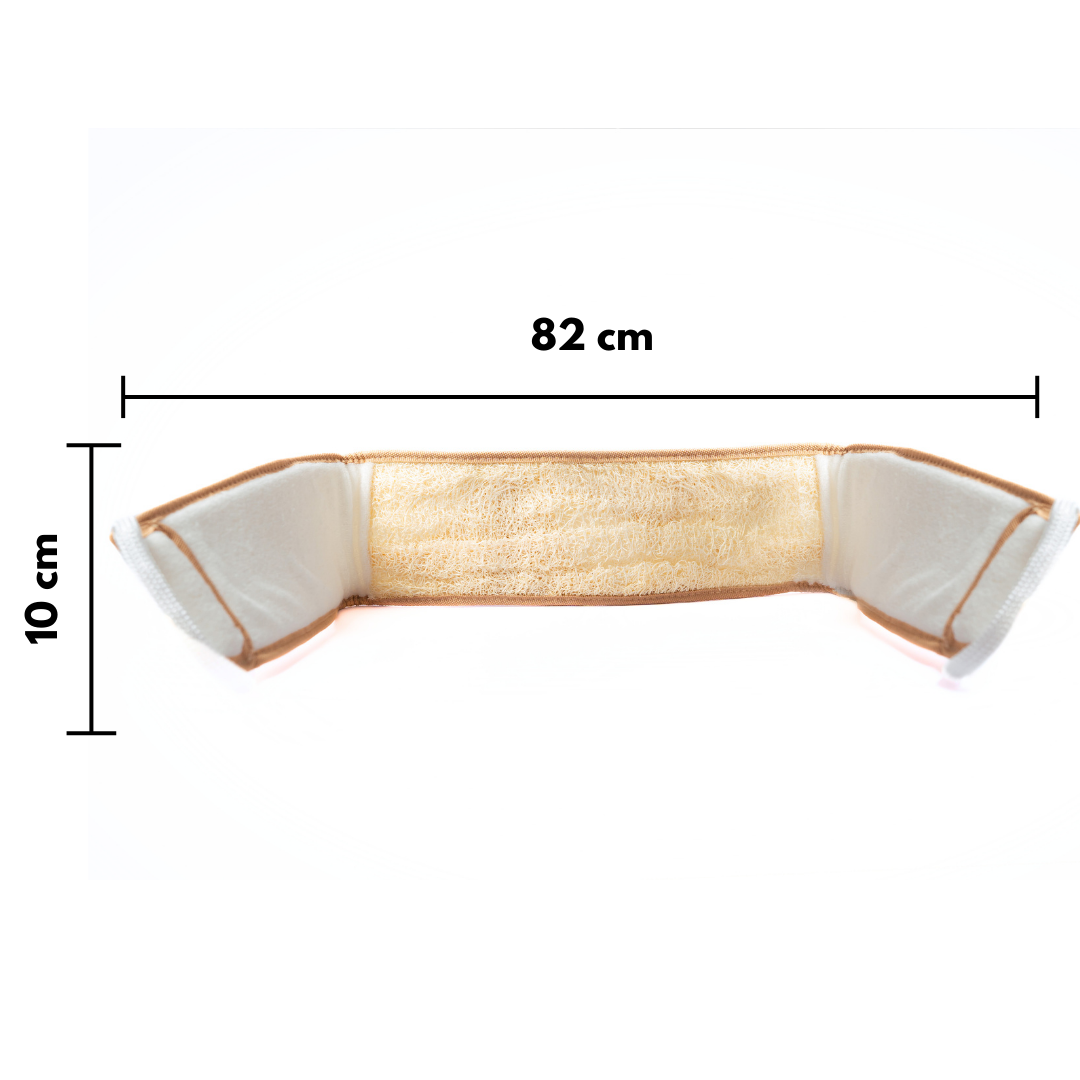
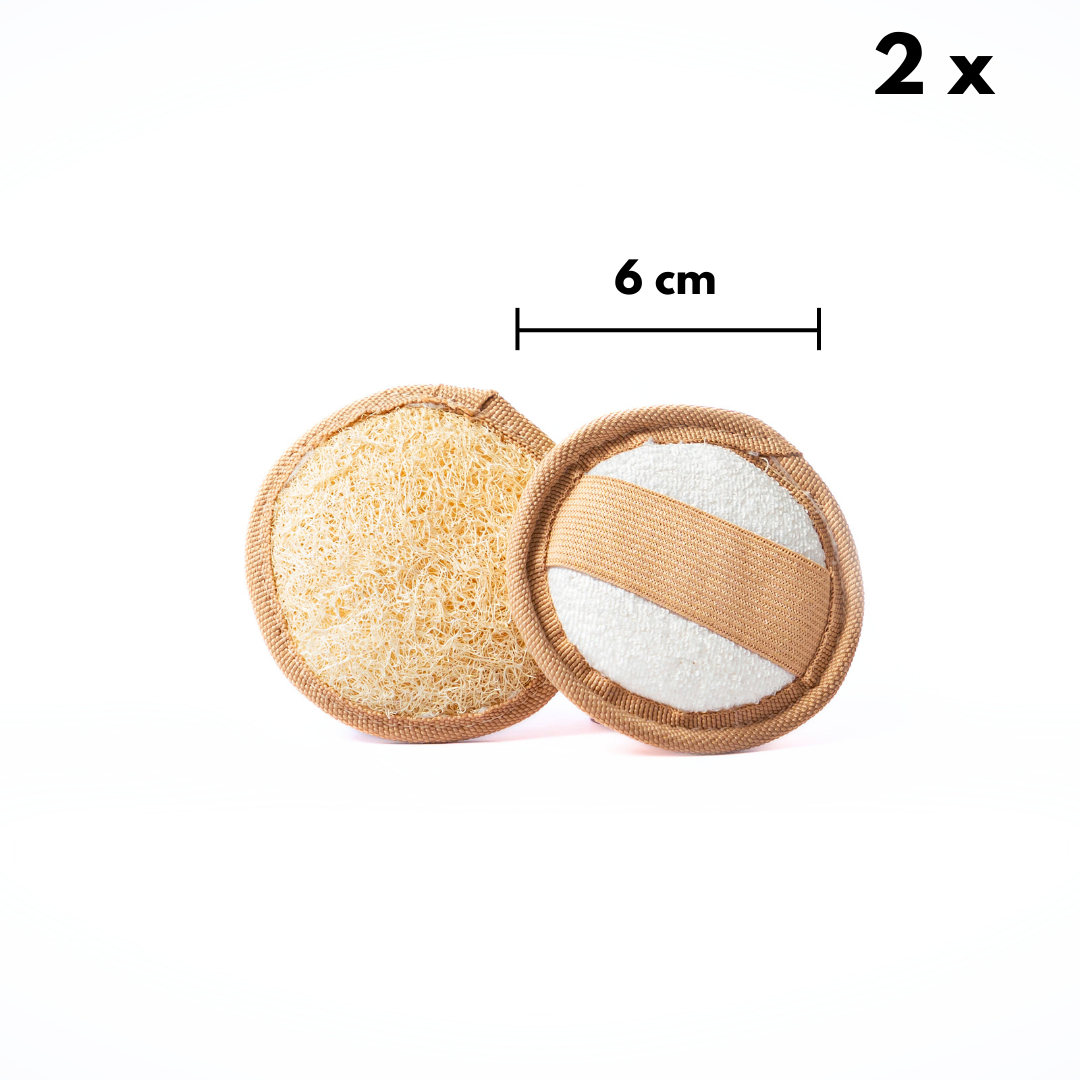
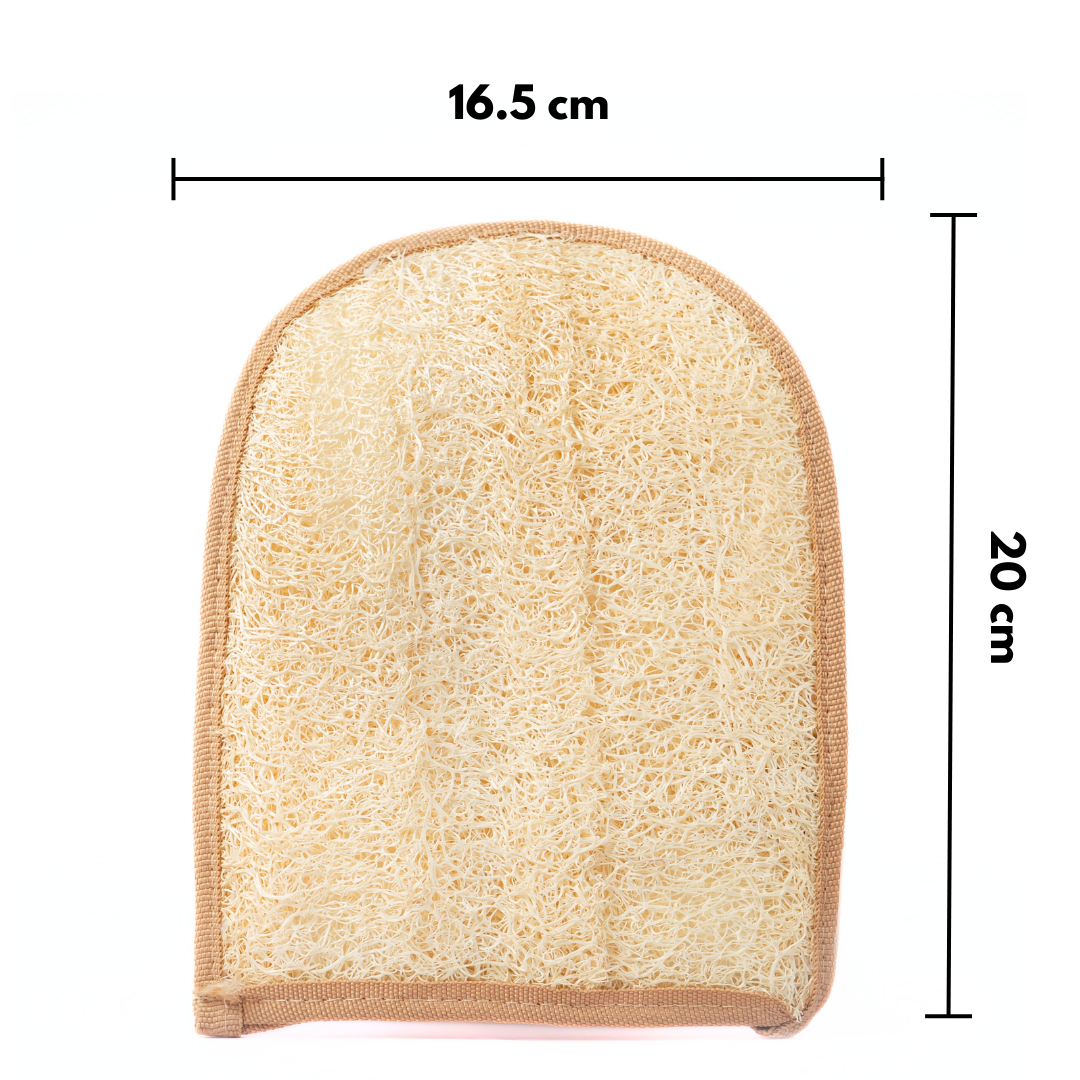
Inspired by traditional loofah use and adapted to modern self-care routines, the Loofah Essentials Set brings everything you need for a natural, plastic-free shower experience.
The set combines carefully selected loofah products designed for:
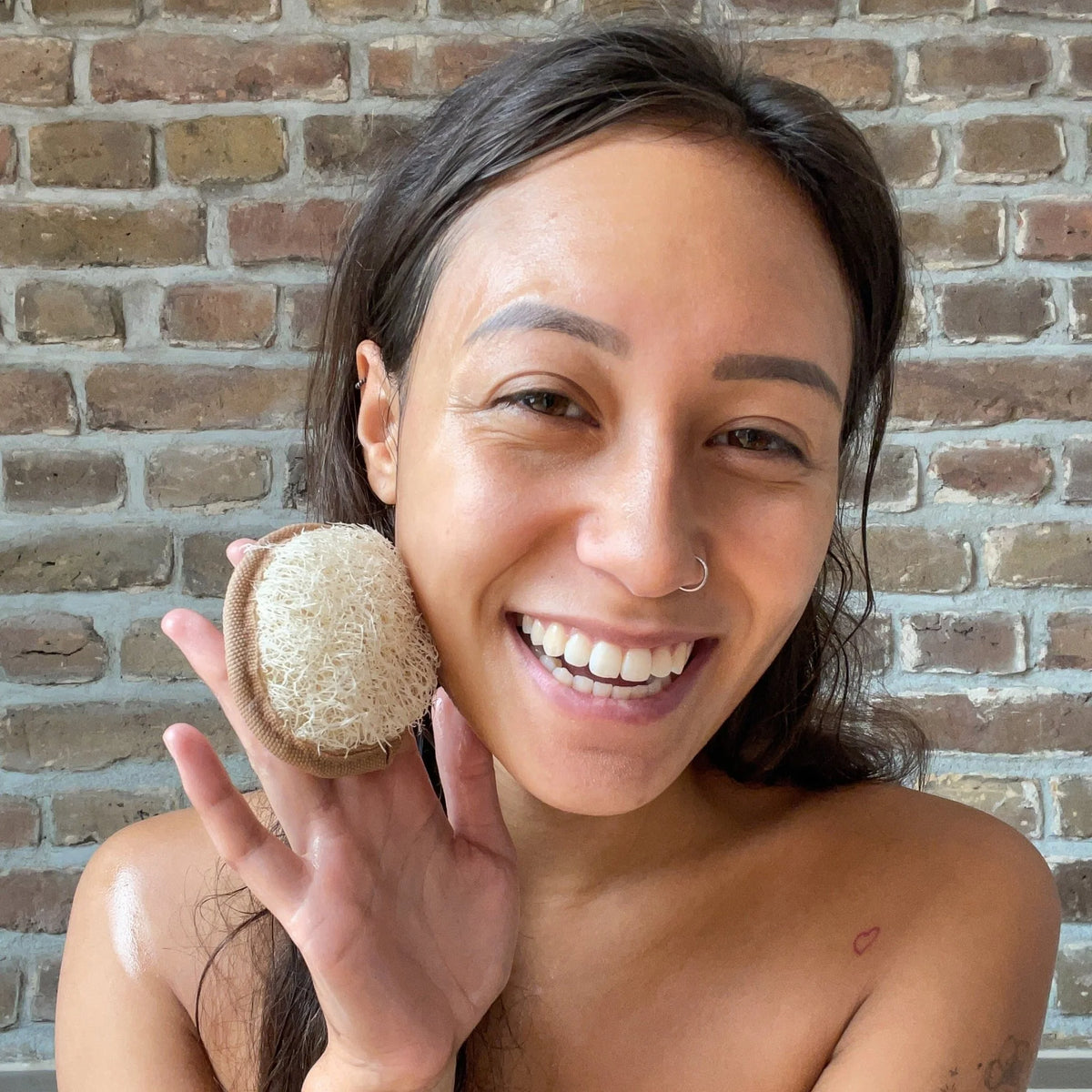
- gentle exfoliation
- daily body cleansing
- a minimalist, sustainable lifestyle
Whether you are new to loofahs or looking to elevate your routine, the Loofah Essentials Set offers a simple way to turn everyday showering into a conscious self-care ritual.