
Loofah vs. Dry Brush: Which Method Suits Your Skin?
Share
Two Methods, One Goal — But Big Differences in Detail
Smooth, even, well-cared-for skin — that's what both aim for: the loofah and the dry brush. Both remove dead skin cells, boost circulation, and help skin look fresher and smoother. But how they achieve this, when you should use them, and which method suits which skin type differs considerably.
This article directly compares the loofah sponge and the dry brush — without marketing promises, but with concrete recommendations.
What Is a Loofah?
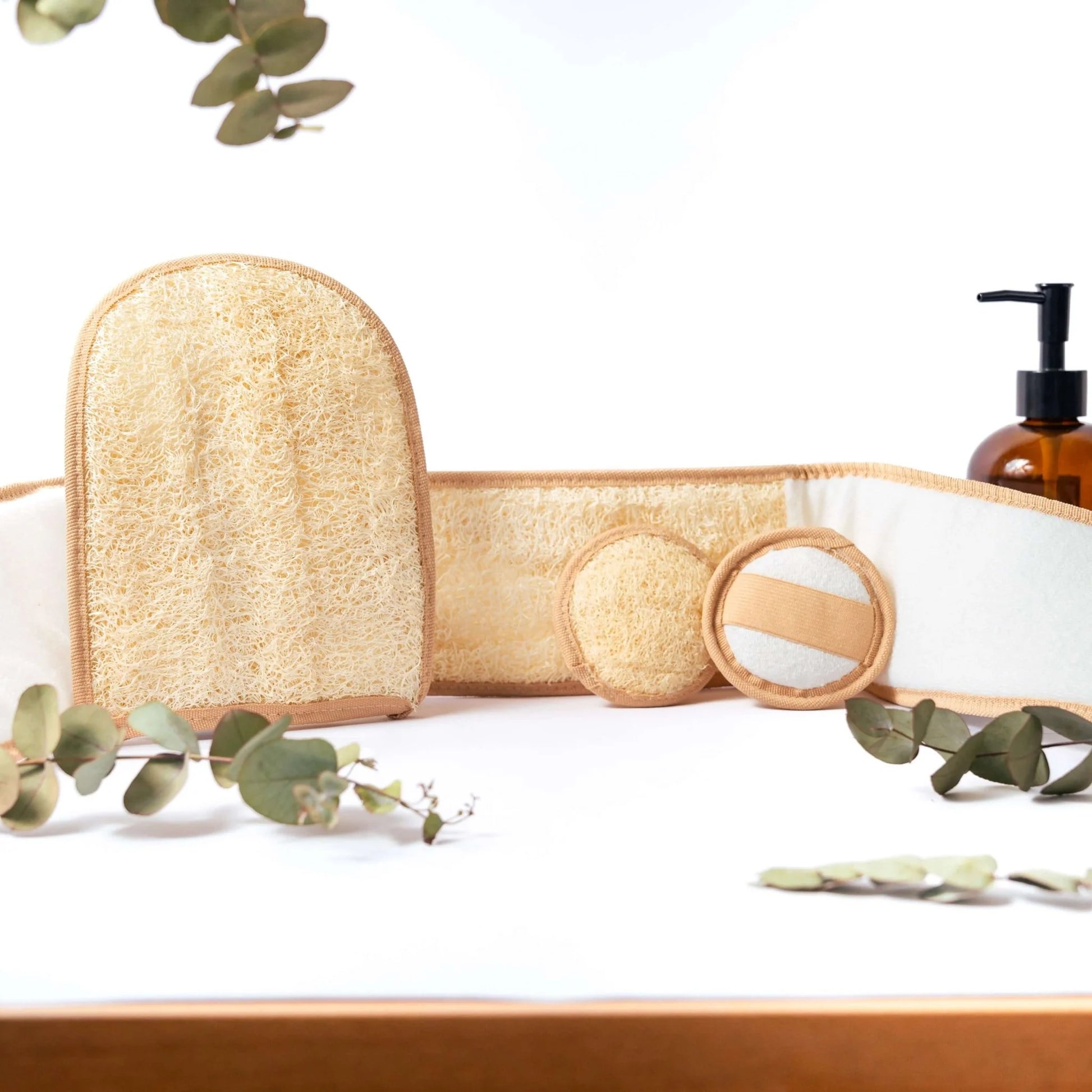
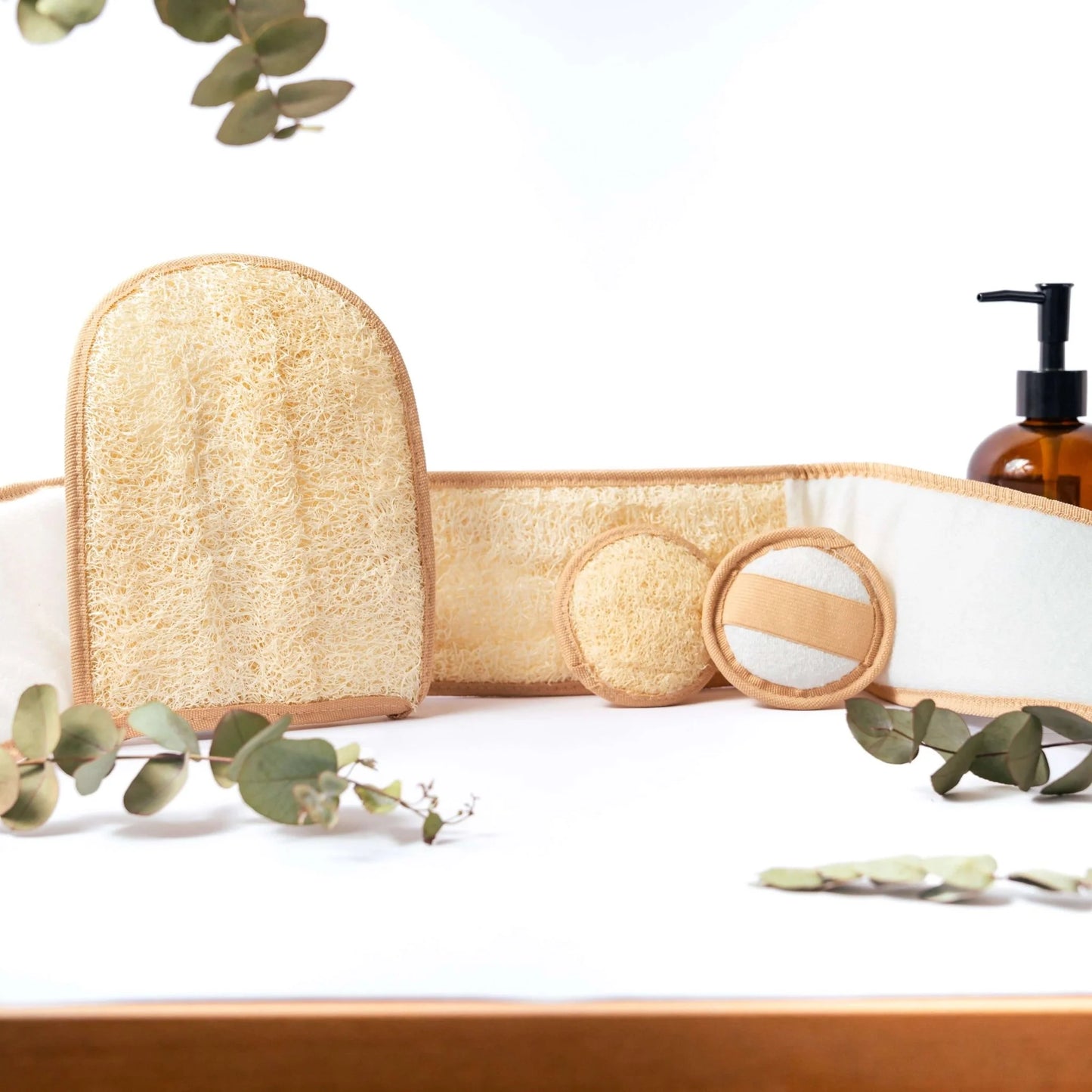
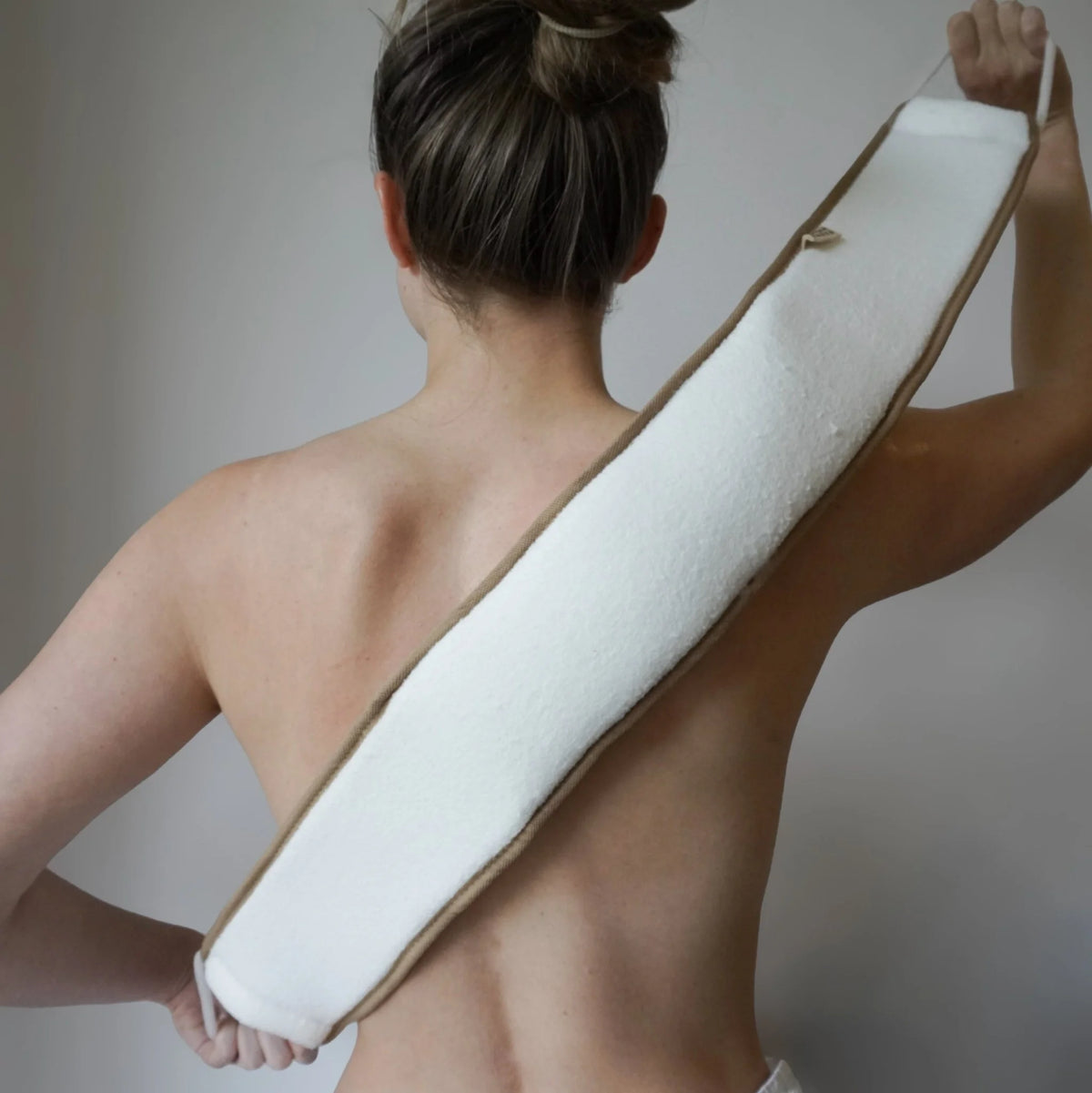
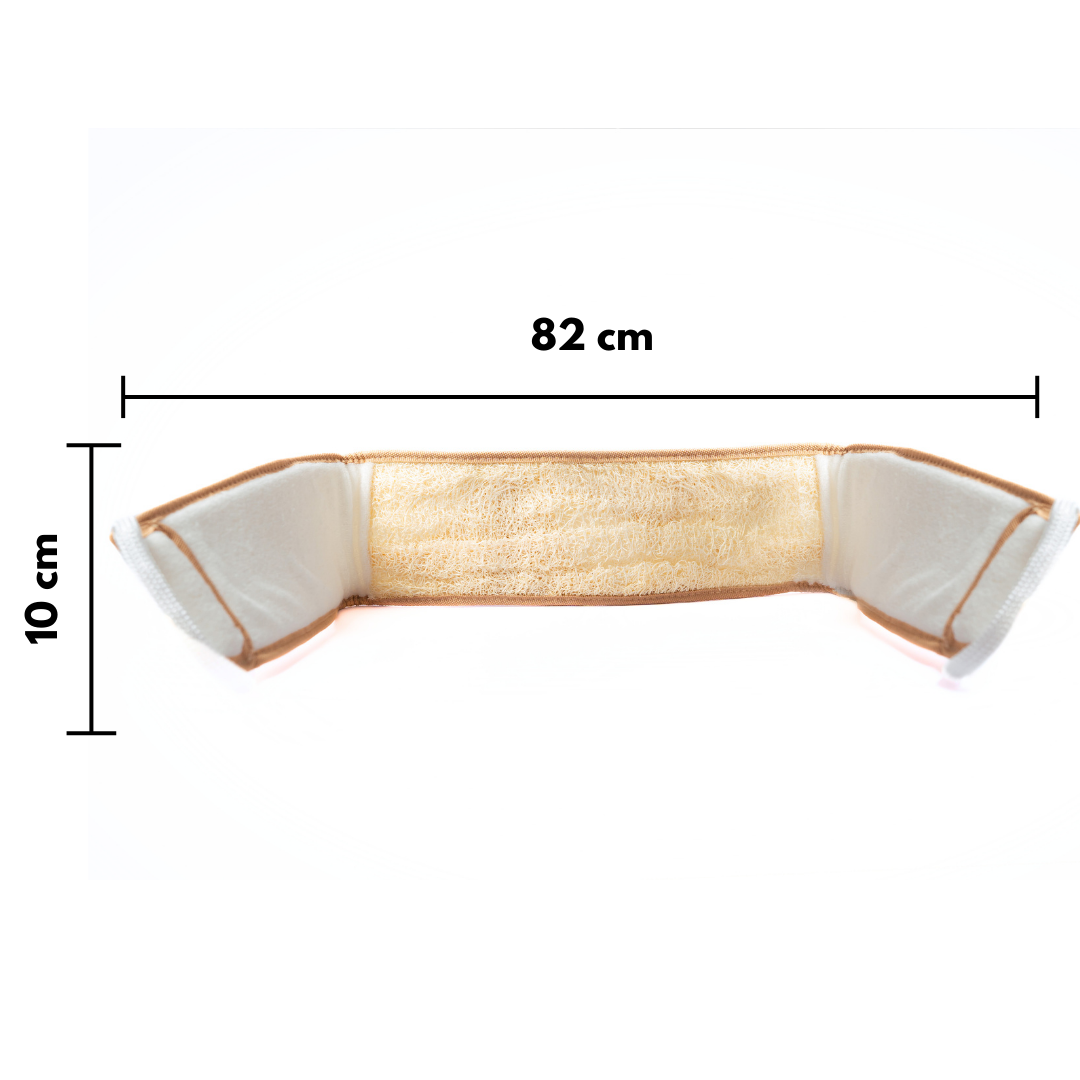
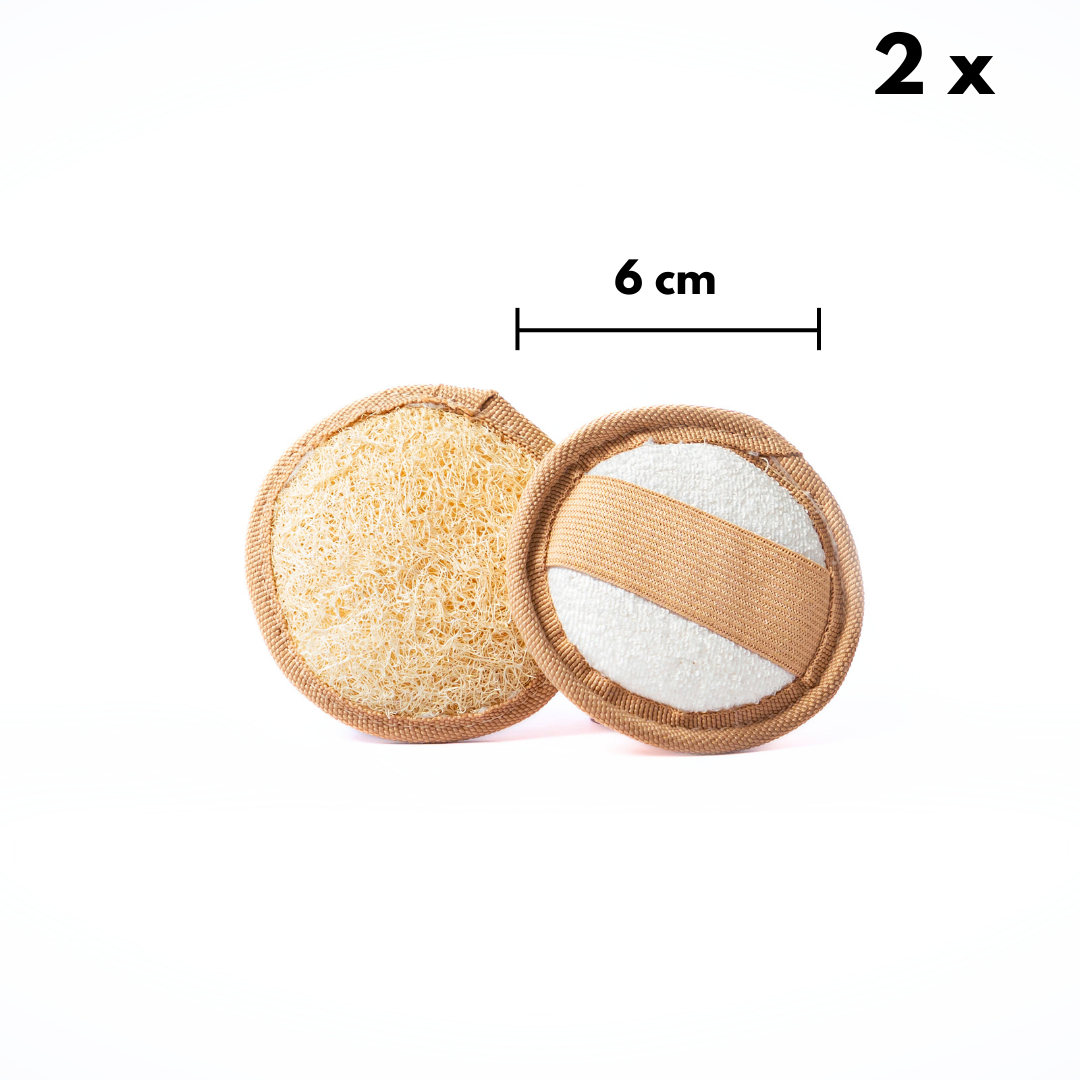
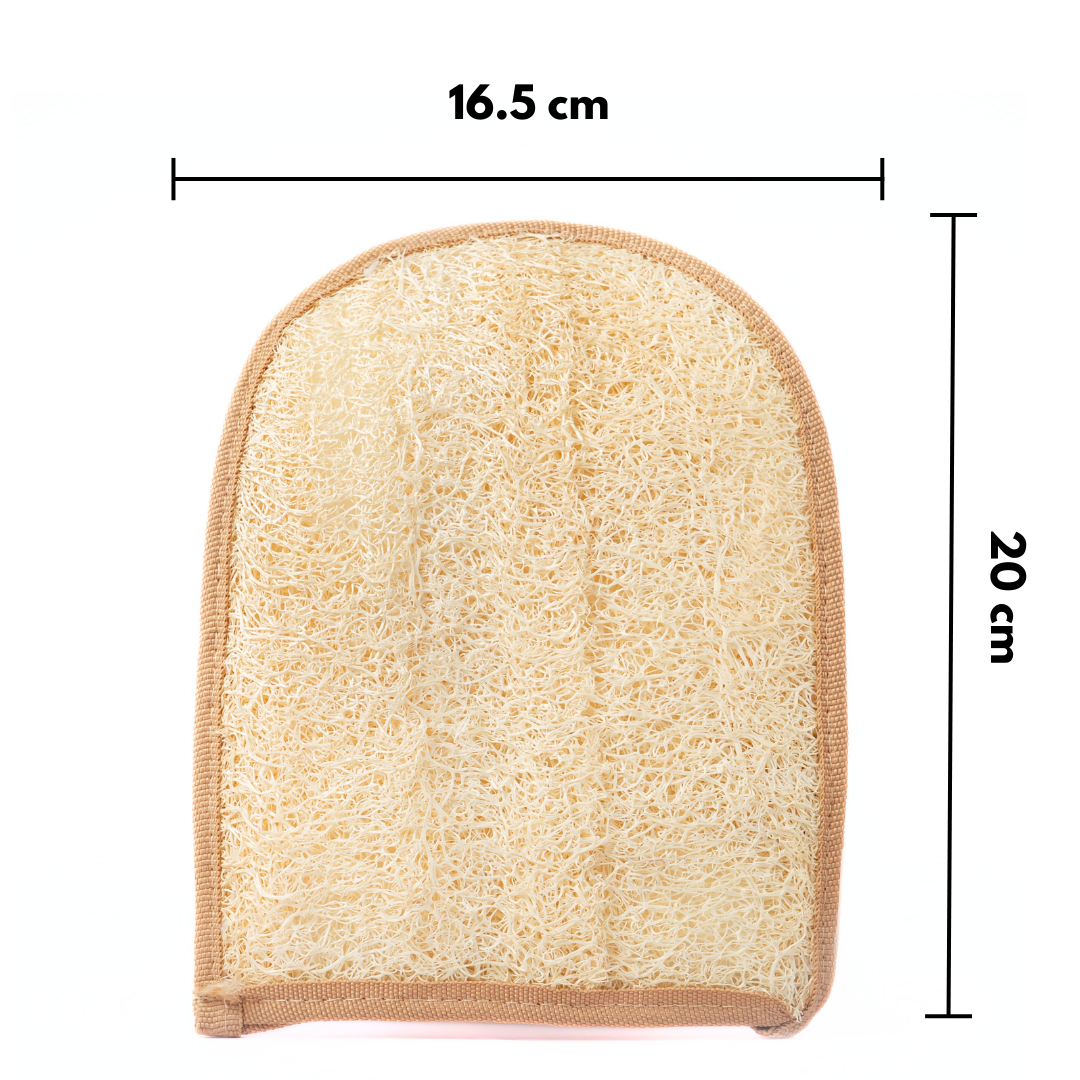
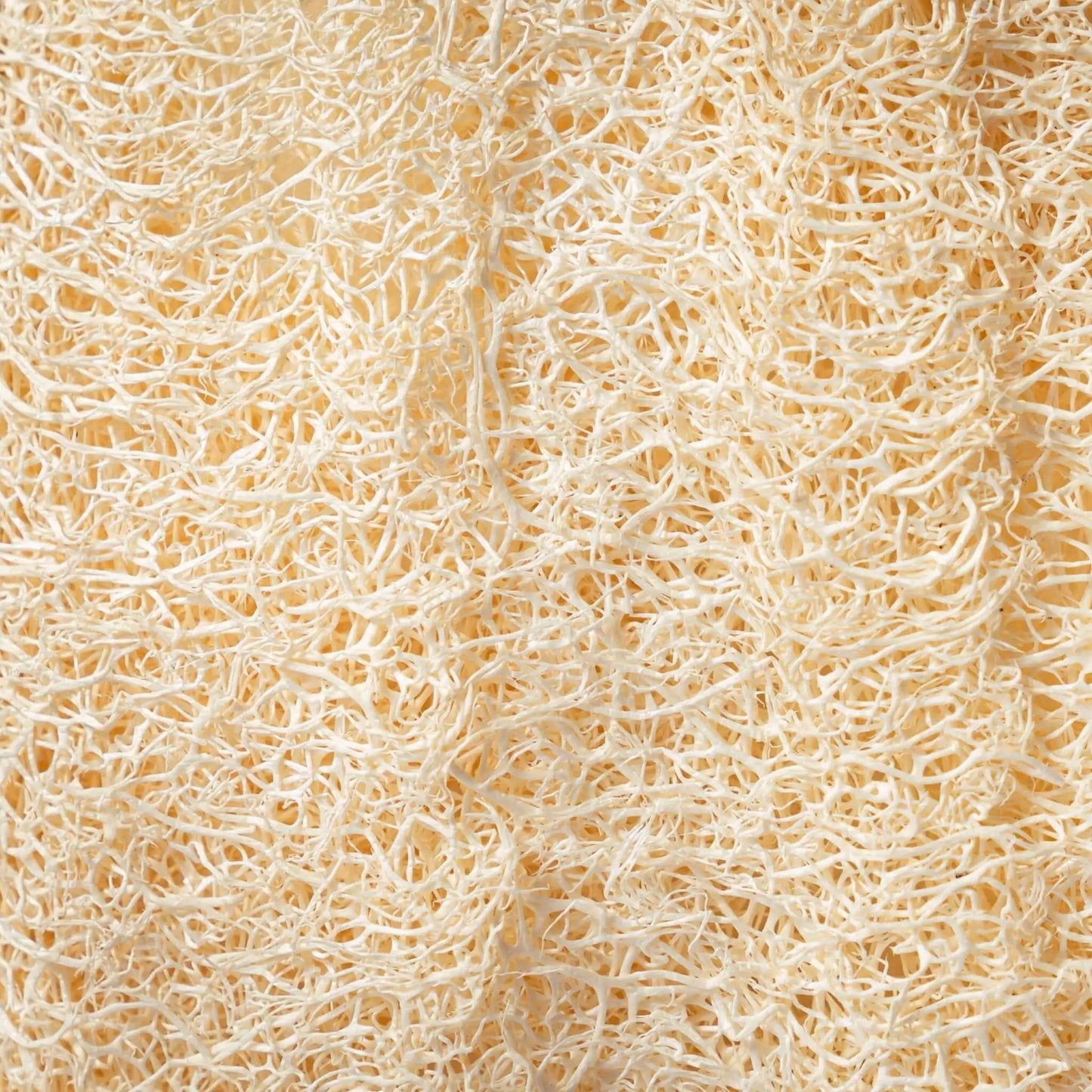
A loofah (also spelled luffa or loofah sponge) is not a synthetic product, but the inner structure of a luffa fruit — a type of gourd grown in tropical and subtropical regions. When the fruit ripens and dries, a dense, fibrous network remains. This is cleaned, cut, and used as an exfoliating sponge.
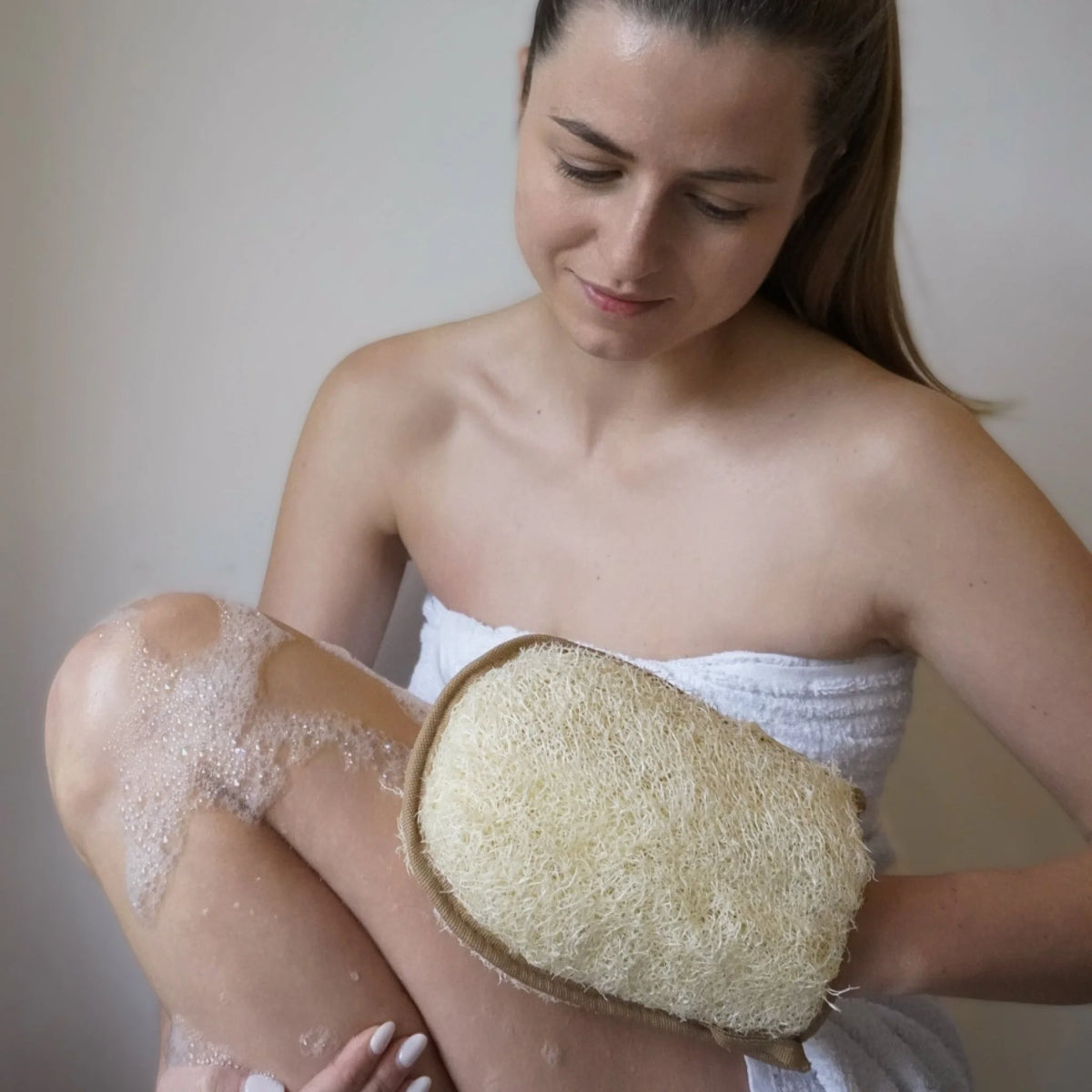
Application is wet — under the shower or in the bath. The sponge becomes moist and flexible, lathers up with soap or shower gel, and gently massages the skin. The intensity can be adjusted by varying the pressure.
Advantages of the loofah sponge:
- Gentle, wet exfoliation — ideal for sensitive and normal skin
- Can be combined with shower gel, oil, or bar soap
- Simultaneous cleansing and exfoliation in one step
- 100% natural, compostable, plastic-free
- Affordable and easy to find
Disadvantages:
- Must be dried regularly and replaced every 6–8 weeks
- Less deep-acting than the dry brush
What Is a Dry Brush?
A dry brush is — as the name suggests — a brush used on dry skin, typically before showering. It usually has a long handle and bristles made from natural fibres (sisal, agave, boar bristles) or synthetic materials.
The principle: you brush the skin in long strokes or circular movements, always towards the heart. Afterwards you shower to rinse off the loosened skin flakes.
Advantages of the dry brush:
- More intensive exfoliation, as more friction is created on dry skin
- Strong effect on circulation and lymphatic flow
- Particularly effective for cellulite and keratosis pilaris (chicken skin)
- Long lifespan with good care
Disadvantages:
- Too intense for sensitive, irritated, or redness-prone skin
- Not suitable for eczema, psoriasis, or acute inflammation
- Takes a little practice to find the right intensity
- Bristles can wear down over time and need occasional cleaning
Direct Comparison: Loofah vs. Dry Brush
| Criterion | Loofah Sponge | Dry Brush | |---|---|---| | Application | Wet (in the shower) | Dry (before showering) | | Intensity | Gentle to medium | Medium to intense | | Suitable for | All skin types, including sensitive | Normal to robust skin | | Exfoliation depth | Surface layer of dead skin cells | Slightly deeper, more intensive effect | | Cellulite effect | Good (massage + circulation) | Very good (stronger friction) | | Can be combined? | Yes, with shower gel / oil | No (no liquids) | | Sustainability | Compostable, fully natural | Depends on material | | Hygiene | Rinse daily, replace every 6–8 weeks | Clean monthly, lasts for years | | Price | Affordable (approx. £3–10) | Medium to high (approx. £10–30) |
Which Method Suits Which Skin Type?
You should reach for the loofah if …
- your skin tends to be sensitive or dry
- you are looking for a product that cleanses and cares at the same time
- you value sustainability and fully natural materials
- you are new to exfoliation and want a gentle start
The dry brush is the better choice if …
- you have robust skin and can tolerate intensive stimulation
- you want to specifically target cellulite or keratosis pilaris
- you are willing to invest some technique and routine into application
- you prefer to do your exfoliation before showering
And if you want to combine both? That's possible — and can even be beneficial. Dry brush on 2 days per week for intensive treatment of problem areas, loofah on the other days for gentle everyday care. Important: don't use both one after the other on the same day — that's too much for the skin.
How to Use Loofah and Dry Brush Correctly
Loofah — step by step:
- Soak the sponge under warm water until it is soft and flexible
- Lather up with shower gel, bar soap, or shower oil
- Guide over the skin in circular or long movements — always from bottom to top
- Adjust pressure gently: enough to lightly redden the skin, but no pain
- Rinse off and then massage in body oil or lotion
- Shake out the sponge well and leave to dry in an airy spot
Dry brush — step by step:
- Begin before showering, on completely dry skin
- Start at the feet, working in long strokes towards the heart
- Legs, thighs, buttocks, stomach, back — always from the outside towards the centre of the body
- Brush shoulders and arms towards the heart
- Skip the face and décolletage (too sensitive)
- Then shower and apply oil or body lotion
Conclusion: Not Either/Or — But a Question of Type
Loofah and dry brush are not competitors, but tools for different needs. The loofah wins with versatility, gentleness, and sustainability — it fits into almost any routine. The dry brush scores with intensity and is ideal for anyone seeking deeper stimulation.
If you have never worked with either of these tools, we recommend the loofah as a starting point: it is more forgiving, more pleasant on the skin, and fully natural. Convinced? Find our loofah sponges here — made from 100% natural loofah plant.
FAQ: Frequently Asked Questions About Loofah and Dry Brush
Can I use a loofah sponge and dry brush together? Yes, but not one after the other on the same day. Combining them makes sense if you use the dry brush for intensive sessions (2× per week) and the loofah for gentle everyday use. Too much exfoliation at once weakens the skin barrier.
Which method is better for cellulite? Both stimulate circulation and can improve the appearance of cellulite. The dry brush produces slightly more intensive effects due to stronger friction on dry skin — but the loofah is more pleasant to use and better suited for sensitive skin.
How often should I exfoliate — with loofah or dry brush? With the loofah you can exfoliate 3–4× per week. The dry brush is recommended 2–3× per week. Daily is too much in both cases — your skin needs recovery time.
Is the loofah sponge more hygienic than the dry brush? Both need to be maintained regularly. Rinse the loofah thoroughly after each use and let it dry well; replace every 6–8 weeks. Clean the dry brush once a month with a little shampoo and let it air dry — with good care it lasts for years.
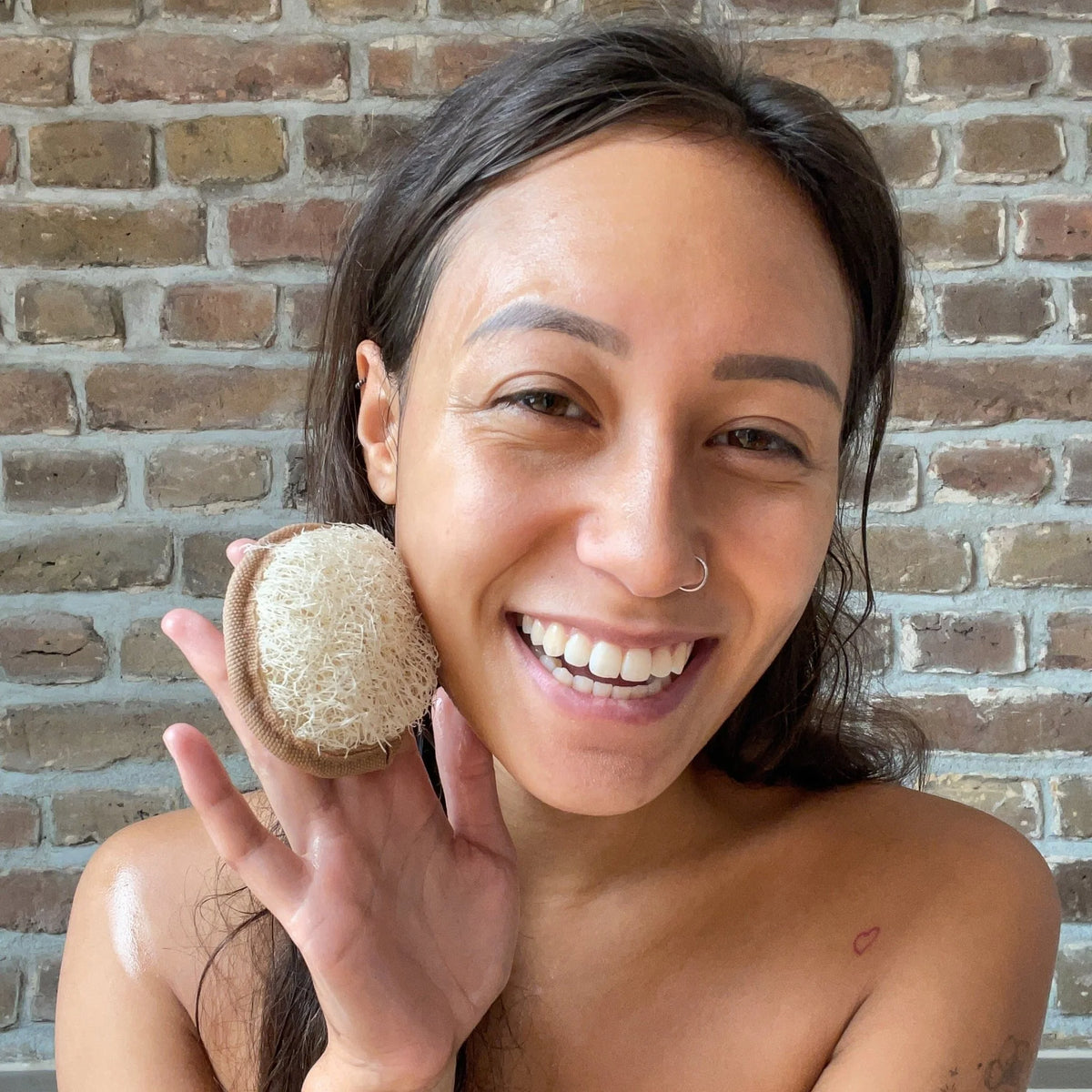
Which method is suitable for the face? Neither the loofah sponge nor the dry brush is suitable for the face — at least not in the standard version. Facial skin is considerably more sensitive. For the face there are special fine loofah pads or soft konjac sponges.